Naples Food Markets: La Pignasecca, What To Buy, And How To Shop It Like A Local
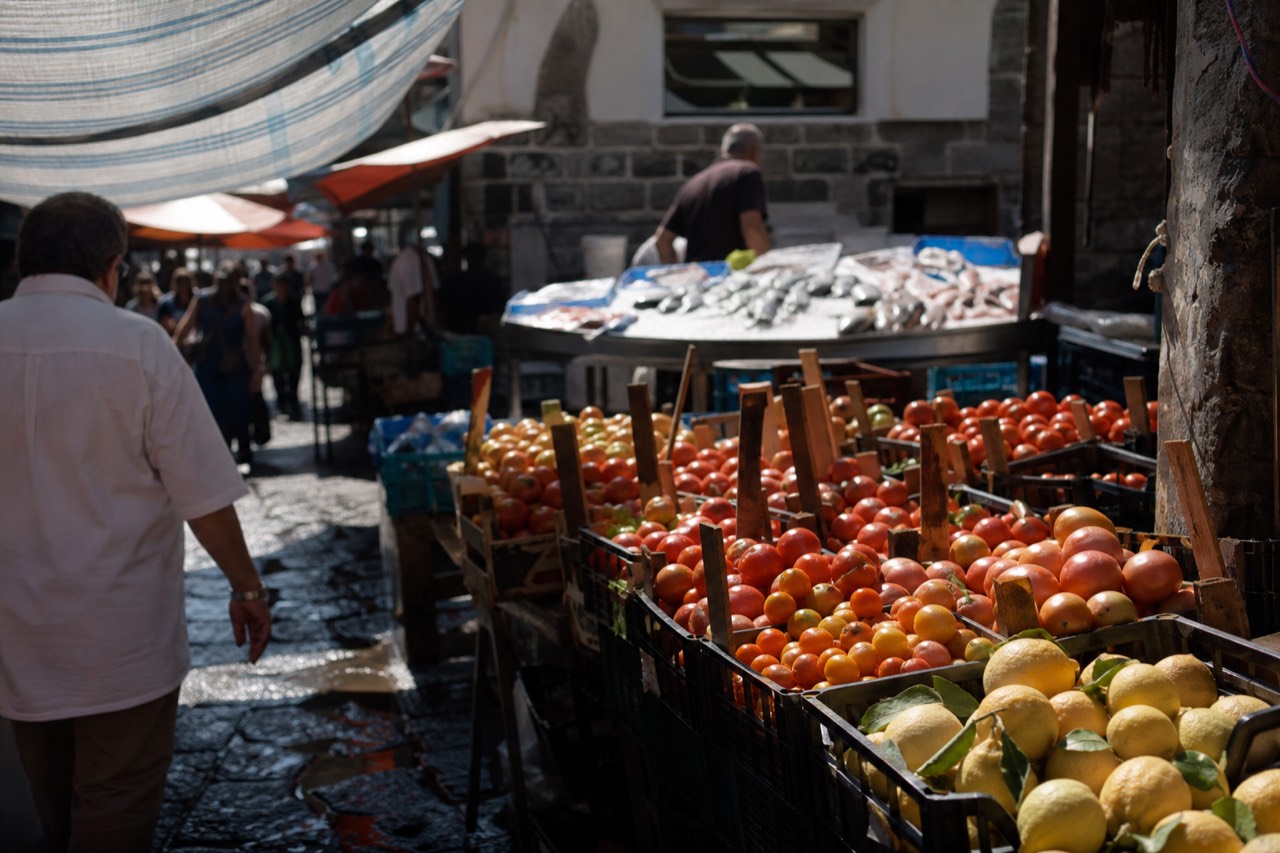
The Pignasecca opens around nine and it is loudest by half past. Fish arrives on crushed ice, fry counters start up beside the produce crates, and almost nobody in the crowd is a tourist. It is the least curated hour in Naples and the most useful.
Short answer
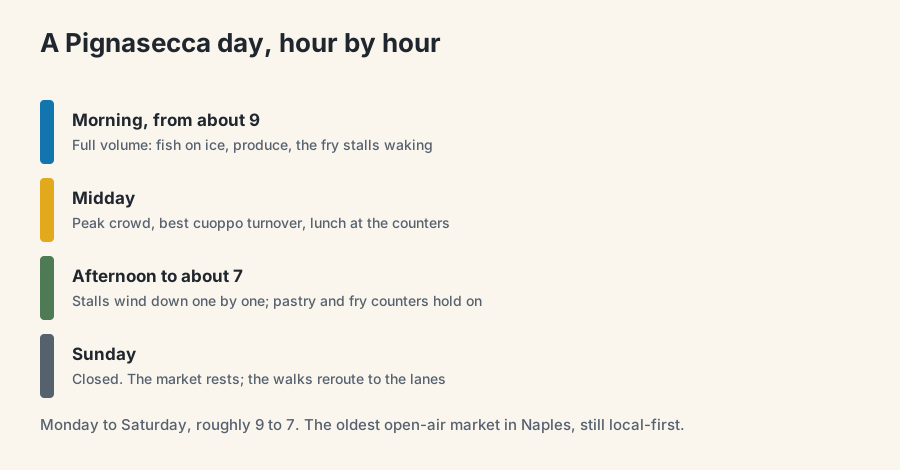
La Pignasecca is the oldest open-air market in Naples and the one worth planning around. It runs Monday to Saturday from roughly 9:00 to 19:00 and closes on Sunday, selling produce, fish, meat and cheese to locals, with fry counters and friggitorie alongside. A morning of eating there runs about €9 to €14 before you buy anything to take away.
Keep the independent food plan below, or add a guided experience for the food, place or technique that interests you most.
Booking choice: Explore the working market with a guide, from folded pizza and a seafood cone to a sweet finish. Explore Pignasecca Market And Six Tastings
Is Mercato Worth Visiting In Naples?
Yes, if you go to the right one at the right hour. La Pignasecca is the oldest open-air market in Naples and it still serves the neighborhood rather than the tourist trade. It runs Monday to Saturday from roughly 9:00 to 19:00 and closes on Sunday, and the first two hours are the whole point.
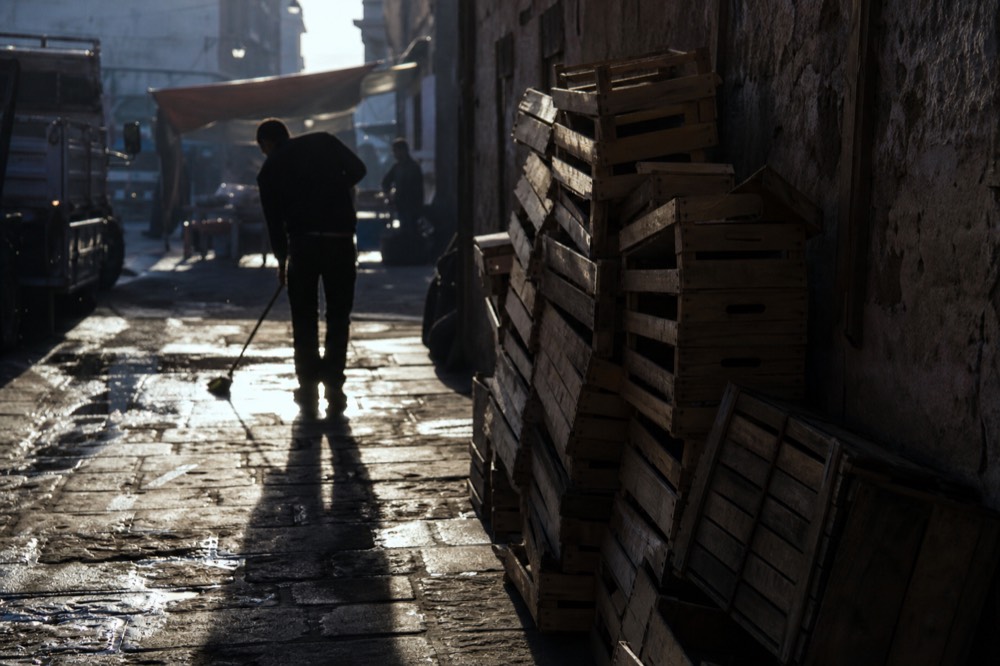
Markets are the part of a food trip that most people skip because they assume it is a shopping errand rather than an attraction. In Naples that assumption costs you the single best hour available. The Pignasecca is not a restored food hall with a wine bar in the middle. It is a working street market with fishmongers shouting prices, crates stacked on the pavement, and a crowd that is buying dinner rather than photographing it.
That is exactly why it is worth an hour or two. You get the raw material behind everything else you eat here: the buffalo mozzarella before it becomes a plate, the small fish before they become a cuoppo, the tomatoes that make the sauce on a €2 folded pizza. It also puts you in the middle of a neighborhood, Montesanto, that most visitors pass through on the funicular without stopping.
| La Pignasecca at a glance | Detail |
|---|---|
| What it is | the oldest open-air market in Naples, still primarily a local food market |
| Where | the Montesanto side of the Quartieri Spagnoli, along and around Via Pignasecca |
| Hours on record | Monday to Saturday, roughly 9:00 to 19:00 |
| Closed | Sunday |
| Character | working-class and functional, produce, fish, meat, cheese, plus fry counters |
| Best hour | the first two after opening, when the fish is freshest and the crowd is local |
| Worst hour | early afternoon, when stalls thin out and several fry counters close |
| Cost to walk through | nothing, and about €9 to €14 if you eat your way along it |
What Is La Pignasecca And Why Is It The One To Go To?
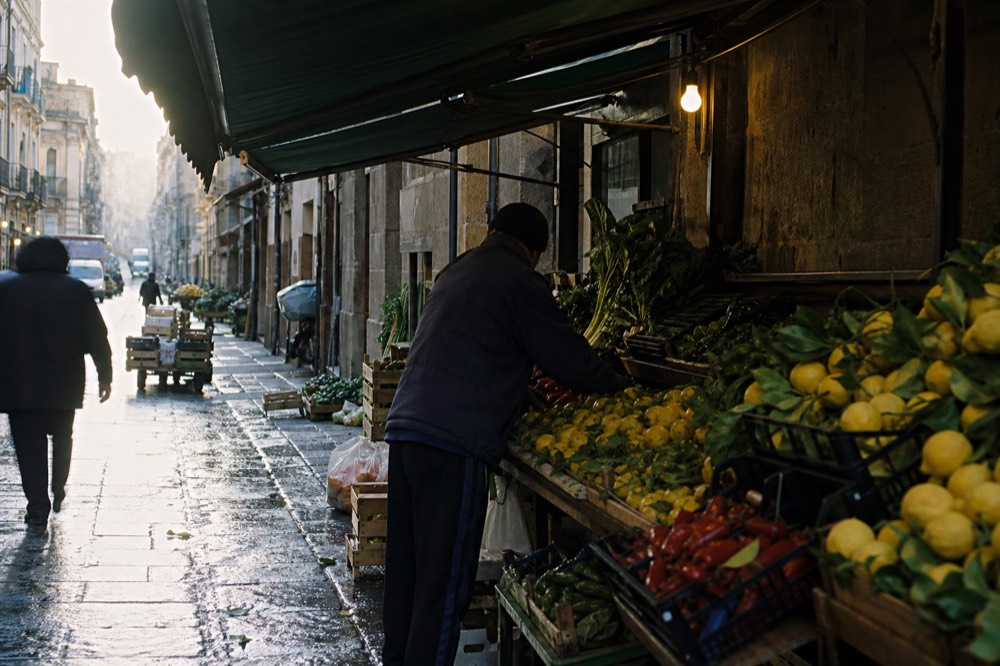
La Pignasecca is a street market rather than a covered hall, spread along Via Pignasecca and the lanes off it between Montesanto and Via Toledo. It is the oldest open-air market in the city, it is still local-first, and it sits a short walk from both the Spaccanapoli axis and the Quartieri Spagnoli.
Its geography is the reason it works so well as a stop. Montesanto is a transport knot: the funicular up to Vomero, the Cumana and Circumflegrea lines out toward the coast, and Metro Line 2 all meet at Montesanto. That means the market has always served people passing through as well as people living above it, and it never became a niche destination.
Nothing much has changed there recently, which in a city that recorded around 15 million tourist stays in 2025 is unusual and welcome. No renovation, no rebranding, no market hall conversion. The stalls that were selling anchovies five years ago are still selling anchovies, and the friggitorie tucked in beside them, Fiorenzano among them, are still frying.
The comparison people reach for is a covered market with tasting counters and a natural wine list. That is not this. The Pignasecca will not curate anything for you and nobody is going to explain the fish. If you want the version with commentary, our note on lesser-known food spots covers a few other quiet corners, and Naples food geography puts the market in context against the rest of the city's eating districts.
What Is Actually Sold At The Pignasecca, Stall By Stall?
Produce first, then fish on ice, then butchers and salumerie, then cheese counters with buffalo mozzarella sitting in its own whey. Bakery and pastry counters run along the same stretch, and friggitorie beside them sell cuoppo, frittatina and crocchè at €2 to €6. Household stalls fill the gaps.
The layout is not a grid and there is no map. Stalls cluster loosely by type, and the way to read the market is to walk the length of it once without buying anything, then double back. Prices are chalked or shouted, they are given by the kilo, and they are not negotiable in the way market prices are in some countries. What you can do is ask for a smaller quantity, which is normal and expected.
| Stall type | What it sells | What to ask for | Note |
|---|---|---|---|
| Produce | tomatoes, lemons, greens, seasonal fruit | a quantity in grams or a number of pieces | prices by the kilo, cash preferred |
| Fish | small fish, anchovies, calamari, clams, whole fish on ice | what is good today, then let them pick | busiest and best in the first two hours |
| Butcher | pork, beef, offal, prepared cuts | a weight, not a number of slices | little English, pointing works |
| Salumeria | cured meats, salami, prosciutto | 100 grams as a starting order | they slice to order, thin unless you say otherwise |
| Cheese counter | buffalo mozzarella, provola, ricotta, caciocavallo | mozzarella by weight, and when you plan to eat it | they will ask, and the answer changes what they give you |
| Bakery and pastry | bread, taralli, sfogliatella, babà | one of each, eaten standing | pay at the till first in some places |
| Friggitoria | cuoppo, frittatina, crocchè, pizza fritta | point at the tray, say small or large | €2 to €6, split hours, closed Sunday |
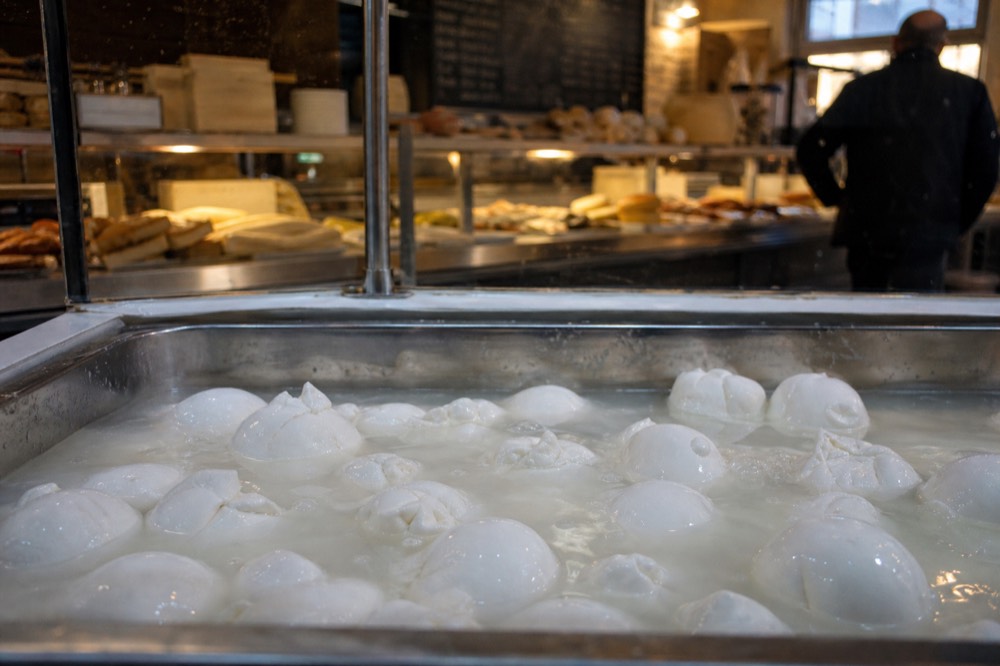
The cheese counter is the one to spend time at. Buffalo mozzarella from the Campanian plains has held DOP protection since 1993, producers turned out roughly 55.7 million kilos in 2024, and about 37% of that was exported. What stays here is what you want: a day old or less, still in whey, still faintly warm. It behaves nothing like the vacuum-packed version sold abroad.
How To Shop A Naples Market Without Getting It Wrong
Bring small cash, ask by weight in grams rather than by piece, do not touch the produce, and do not photograph a stallholder without a nod first. Queues are informal and you hold your place by paying attention. Nobody expects you to speak Italian, and pointing plus a number gets you almost everything.
The touching rule is the one visitors break most. In Italian markets the vendor picks the fruit, and reaching into a crate to squeeze a tomato reads as an insult to the produce and to the person selling it. Say what you want it for, or say when you will eat it, and they will choose better than you would.
Cash matters more here than in the rest of the city. Many stalls take cards now, plenty do not, and a €50 note for a €3 purchase is a small social problem you can avoid by carrying coins and fives. Pickpocketing in crowded lanes is the real risk to plan around rather than anything dramatic, and a market crowd at half past nine is exactly the kind of crush where a bag should be in front of you rather than behind. Violent crime against visitors is rare and a dedicated tourist police unit was rolled out across busy areas through 2025.
The last piece of etiquette is about pace. Do not deliberate. Neapolitan market transactions run at speed, the person behind you is buying lunch on the way to work, and the fastest way to be treated well is to know what you want, ask for it, pay, and step aside. Anyone still weighing up whether the city as a whole is for them will find our take in whether Naples is worth visiting.
The Fish Stalls: What To Look At, What To Buy, What To Skip
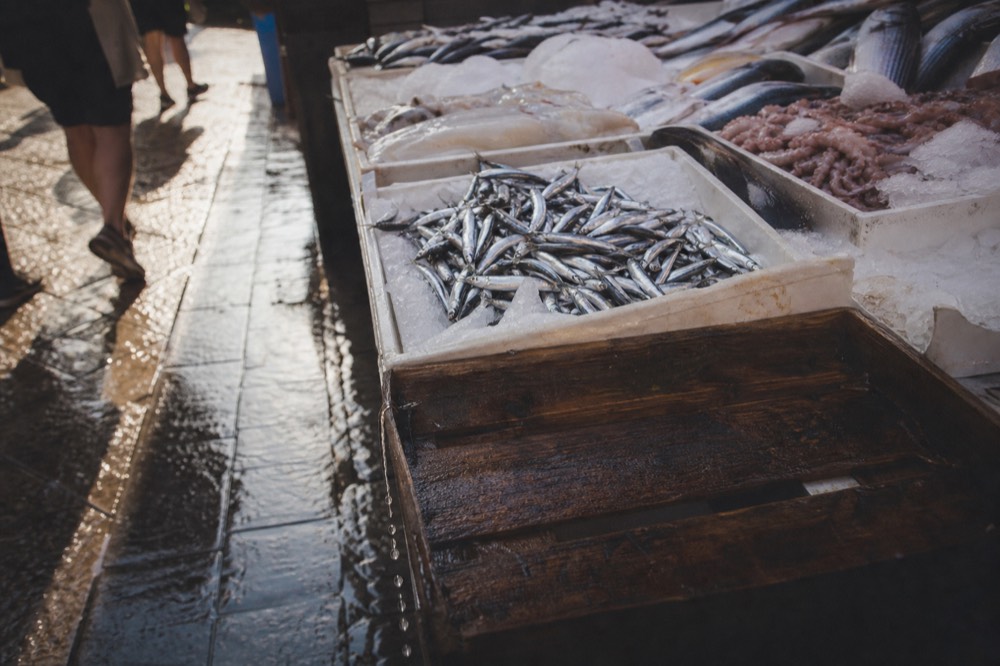
Fish is the reason to arrive early. Naples buys small: anchovies, sardines, tiny fish for frying, calamari, clams and mussels, alongside whole fish on ice. Unless you have a kitchen, treat the fish counters as something to look at, then eat the same catch fried in a cuoppo from the counter twenty steps away.
There is a whole vocabulary on display and none of it is explained. Alici are anchovies, and they turn up marinated, salted or fried. Vongole are the clams that go into pasta. Totani and calamari sit alongside each other, and the small fish sold by the scoop for frying are the raw form of half the street food in this guide.
The market runs on turnover, so the ice is restocked and the trays are refilled through the morning. By early afternoon what is left is what did not sell, which is the practical argument for a nine o'clock arrival rather than a leisurely one. Neapolitan cooking treats fish plainly on purpose: fried, or in a pan with tomato and garlic, or raw and dressed if it is very fresh.
| What you will see | What it is | What locals do with it | Useful to a visitor? |
|---|---|---|---|
| Alici | anchovies | fried, marinated in vinegar and lemon, or salted | yes, marinated ones travel well in a tub |
| Small mixed fry | tiny whole fish sold by the scoop | floured and fried into a cuoppo | eat it fried nearby rather than buying raw |
| Calamari and totani | squid | rings for frying, or stewed with tomato | best experienced through the fry counter |
| Vongole | clams | spaghetti alle vongole, cooked the same day | only if you have a kitchen |
| Cozze | mussels | impepata di cozze, pepper and lemon, nothing else | only with a kitchen |
| Whole fish on ice | sea bass, bream, whatever came in | grilled or baked whole | a look, not a purchase |
| Baccalà | salt cod, rehydrated | fried, or stewed with tomato and olives | a Christmas staple, sold year round |
What To Eat At The Market Rather Than Take Away
Eat the fried things and the pastry, buy the cheese and the fruit. Fry counters around the market sell frittatina di pasta at €2 to €3, crocchè and cuoppo at €3 to €6, and pizza fritta at €2.50 to €4. Sfogliatella from a counter nearby runs €2 to €2.50 for the riccia.
The market is one of the few places in Naples where the raw and the cooked sit next to each other, which makes the sequence obvious once you see it. Buy nothing for the first pass. Then eat a frittatina standing, get a coffee at a bar counter, and only after that start buying anything to carry.
Fry counters here keep friggitoria hours, meaning a split shift with a mid-afternoon gap and Sunday closed, so the market morning and the fry counter morning overlap neatly. That is not a coincidence: the market fed the fry counters, and it still does. Full anatomy of every item, and how to tell a fresh tray from a tired one, sits in our street food item by item guide.
One thing worth carrying out rather than eating on the spot: mozzarella. Ask for 250 grams, ask for it in its whey, and eat it the same day. It is priced by the kilo, it is one of the cheapest luxuries in Italy, and it is the strongest argument for booking a room with even a small fridge.
Buying Mozzarella, Cheese And Salumi By Weight
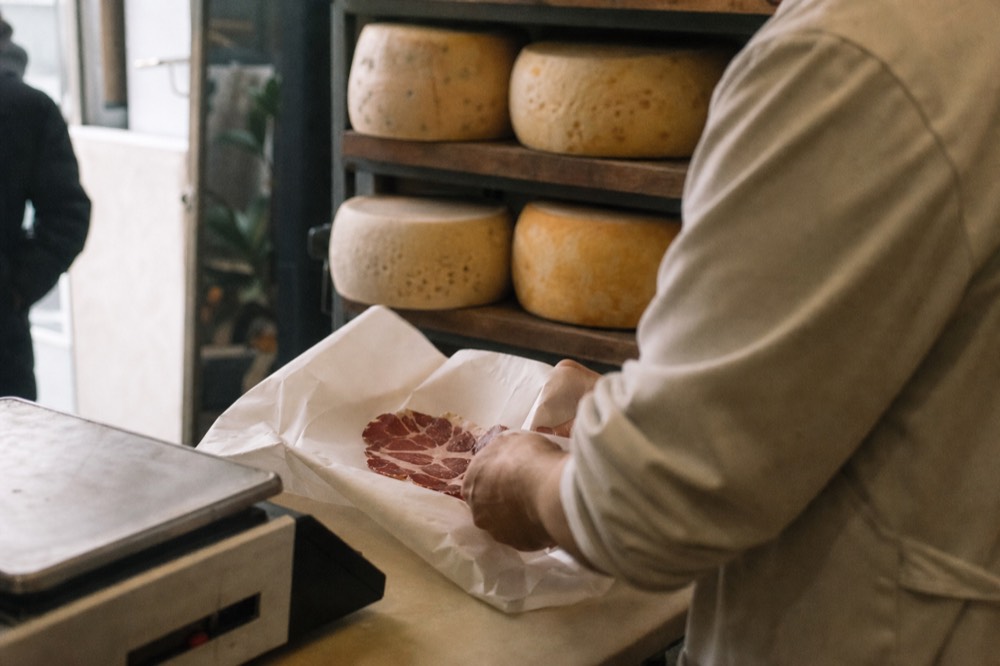
Order in grams. Two hundred and fifty grams of buffalo mozzarella feeds two people generously, a hundred grams of sliced salumi is a normal ask, and the counter will slice to order. Say when you plan to eat the cheese, because a counter that cares will give you a different ball for tonight than for tomorrow.
The weight system is the only real barrier for visitors, and it disappears after one transaction. Un etto means a hundred grams and it is the standard unit for cured meat. Mezzo chilo is five hundred grams. If you say a number of slices you will get a confused look, because nobody buys sliced meat that way here.
Mozzarella has its own protocol. It is stored in whey rather than water, it is never chilled hard, and it starts losing its texture within a day or two. That is the entire reason the version eaten in Campania is a different food from the version sold abroad, and it is why the counters ask about timing. Take it, keep it out of a cold fridge, and eat it within hours if you can.
| Counter | Standard unit | A sensible first order | What it costs you to get wrong |
|---|---|---|---|
| Mozzarella di bufala | by the kilo | 250g, in whey, eaten today | a kilo you cannot finish, and it will not keep |
| Provola and caciocavallo | by the kilo | a wedge, 200g to 300g | little, both keep well |
| Ricotta | by weight, in a tub | 200g | it is a two-day product, buy small |
| Salumi | un etto, 100 grams | 100g sliced thin | over-ordering, it is sold faster than you think |
| Olives and preserves | by weight, scooped | a small tub | nothing, they travel |
| Bread | by weight or by loaf | half a loaf | nothing, it is cheap and good |
The Other Market Streets Around The Pignasecca
The market does not stop at the last stall. The lanes running up into the Quartieri Spagnoli and down toward Via Toledo work as an extension of it: bakery counters, fry counters, small alimentari, and pastry shops that supply the neighborhood rather than the guidebooks. Montesanto station sits at one end of the whole thing.
Walking uphill from the market puts you straight into the Quartieri Spagnoli, the tight grid of alleys above Via Toledo that has gone from a place visitors avoided to one of the best street food districts in the city. It has an improved reputation and it is worth caution in smaller alleys after dark rather than during the day. Maradona murals draw a steady crowd, which has changed the economics of a few of those lanes.
Downhill puts you on Via Toledo and within a short walk of Metro Line 1, whose art stations at Toledo and Dante are genuinely worth the fare on their own. Line 6 has been fully open since July 2024. The airport link at Capodichino was reported as over 95% complete in November 2025 but has not opened, so plan the airport run by road for now.
The practical effect of that geography: a market morning can end in three completely different afternoons without a taxi. Uphill for street food in the Quartieri, downhill for the seafront, or a funicular up to Vomero for the fry counters there. Our DIY walking route chains several of those into one day on foot.
From Market Stall To Kitchen: Planning A Separate Cooking Class
Cooking classes can follow a market morning, but the verified pizza-and-tiramisù session is a separate three-hour kitchen activity. Ingredients and equipment are supplied. Market shopping is not included, and the current price and cancellation terms depend on the option booked.
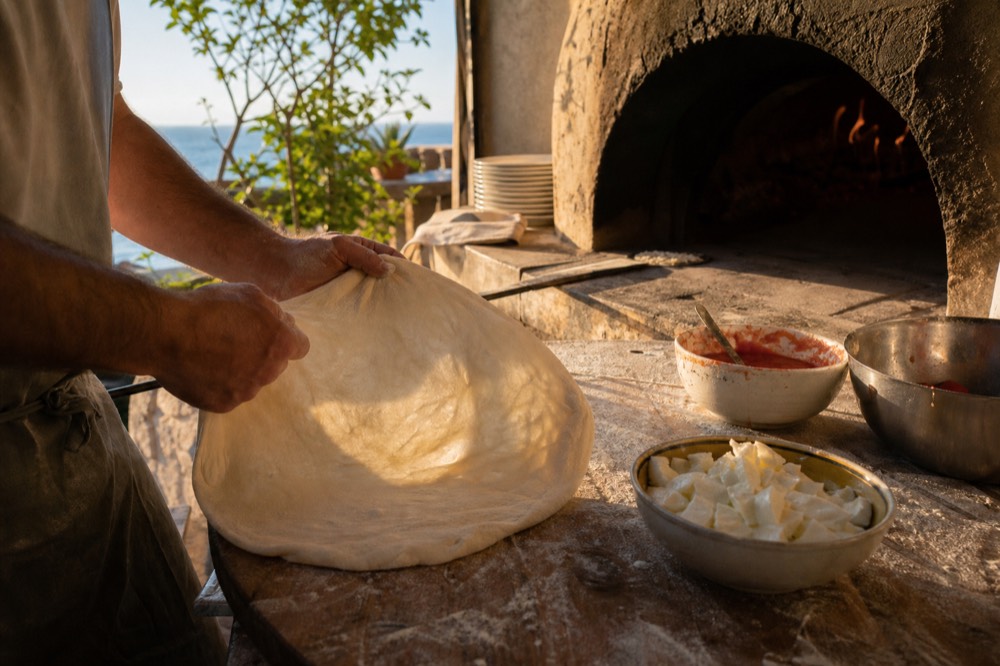
The logic is simple: you have just spent an hour looking at the raw material, so the next useful thing is watching what a Neapolitan kitchen does with it. Pizza classes are the obvious pick because the dough technique is genuinely hard to reproduce blind, and because the certified standard is unforgiving: a 60 to 90 second bake at 430 to 480°C, dough balls of 200 to 280 grams, and a disc no wider than 35cm.
A class can turn a market morning into a day of learning to cook. The verified pizza-and-tiramisù session takes three hours at Via delle Zite 30; it does not include shopping in the market. Choose the dish you want to learn before comparing class times. Related reading: hands-on cooking class lineup.
What A Market Morning Costs
Walking the Pignasecca costs nothing. Eating along it was budgeted here at about €9 to €14: pastry, a frittatina, a cuoppo and a folded pizza. Check current counter prices and add anything you buy to take away. Compare a guided market quote separately, including its six tastings and guide time.
The reason to spell this out is that market visits get treated as free and then quietly cost forty euros, because everything looks cheap and nothing is a single purchase. The list below is the honest version of a morning, using counter prices rather than estimates.
| Market morning line | What it costs |
|---|---|
| Espresso at a bar counter, standing | the smallest line of the day, paid at the till first in many bars |
| Sfogliatella riccia from a nearby counter | €2 to €2.50 |
| Frittatina di pasta from a fry counter | €2 to €3 |
| Cuoppo of fried vegetables or seafood | €3 to €6 |
| Pizza a portafoglio on the walk out | about €2 |
| Buffalo mozzarella | by the kilo, ask for 250g |
| Fruit from a cart | by weight, and the cheapest thing you will buy |
| The eating part, added up | roughly €9 to €14 |
Two other costs belong in the same budget line even though they have nothing to do with food. The city's tourist tax runs €4.00 to €6.00 per person per night for 2026 depending on accommodation class, collected at checkout. And a seated pizza in the evening adds about €6.50 plus a €1 cover, which our complete Naples dish list breaks down alongside everything else on the canon.
How To Time A Market Morning, And What Closes When
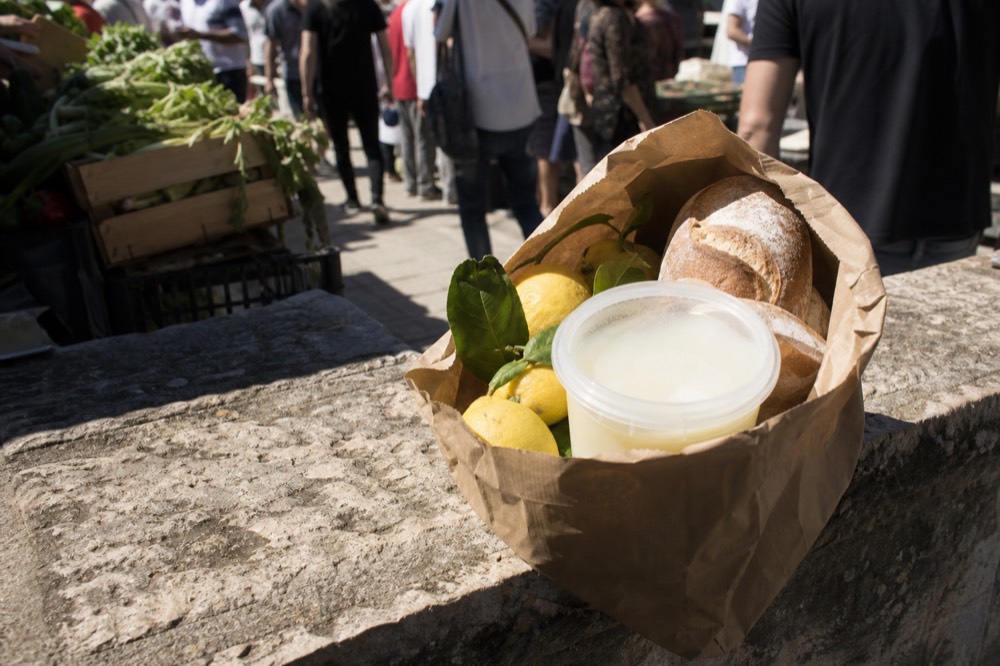
Arrive between 9:00 and 9:30 on a weekday. Fish is best in the first two hours, fry counters open around ten and often close from about 14:30 to 16:30, and everything shuts on Sunday. Saturday is the busiest and the most local. Monday works for the market but the famous pastry counter near the station is closed.
The single scheduling error visitors make is treating the market as an afternoon activity. By two o'clock the fish trays are picked over, several stalls have packed up, and the fry counters are heading into their mid-afternoon gap. The market at ten in the morning and the market at three are not the same place.
| When | What is open | What is closed | Best use of it |
|---|---|---|---|
| Monday, 9:00 to 13:00 | market stalls, most fry counters | Attanasio near the station is closed Mondays | market plus a fry counter lunch |
| Tuesday to Friday, 9:00 to 13:00 | everything | the ideal window, fish included | |
| Saturday morning | everything, at maximum volume | the most local morning of the week | |
| Any day, 14:30 to 16:30 | pizzerias, bars, pastry counters | many friggitorie, thinning market stalls | a pastry break, not a market visit |
| Sunday | pizzerias, pastry counters, the seafront | La Pignasecca, most fry counters | pastry at noon, seated pizza later |
Pair the market with one thing rather than three. A morning at the Pignasecca followed by an afternoon class is a genuinely good day, and so is the market followed by an hour on the seafront. What does not work is stacking a market, a walking tour and a seated pizza queue into the same twelve hours, because two of them involve waiting and the third involves standing.
If you would rather have a guide lead the tasting sequence, the two-hour Pignasecca walk focuses on the market. The Piazza Bellini walk starts elsewhere and lasts two and a half hours. Either way, a pastry and coffee make a useful start before the market. Related reading: guided street food walks, the Neapolitan breakfast, the full lineup.
Choose Your Naples Experience
Pignasecca Market And Six Tastings. Explore the working market with a guide, from folded pizza and a seafood cone to a sweet finish. Have a date in mind? Check it before arranging the rest of your Naples day.
120 minutes. Meet outside San Liborio church, Piazza Carità 12. Select the vegetarian option when needed. Food and drinks listed in your chosen option are included; extra orders are separate. A market walk, not a shopping-and-cooking class.
Choose a date to see scheduled departures. Final availability and price are confirmed on Viator.
No verified experience fits those requirements. Adjust your choices, or keep the independent plan described above.
Compare Options And Fit Your Plans
General recommendation until you choose. Confirm the exact option, meeting point, inclusions and dietary arrangements when booking. A food walk does not promise a visit to a particular celebrity pizzeria. Allow travel time on top of the activity duration.
- Private Naples Tasting Walk: 180 minutes. Explore with your own host, choosing the listed six- or ten-tasting option for your group. 3 hours; choose the ten-tasting option if you want ten tastings. Private refers to your group and guide. Confirm the route and meeting point with your host; specific shop visits, hill transfers and queue priority are not promised. Dietary needs require prior agreement.
- Pizza And Tiramisù Cooking Class: 180 minutes. Knead, shape and top a margherita, make tiramisù, then eat your creations with a drink. Meet at Via delle Zite 30. Ingredients and tools are provided; transfers are excluded. Under-18s need a parent or legal guardian. Dietary substitutions beyond the listed marinara option need operator confirmation.