What Do People Eat For Breakfast In Naples?
Breakfast in Naples is espresso and a pastry taken standing at the bar: sfogliatella riccia or frolla, a cornetto or a babà, and rarely more than €4.
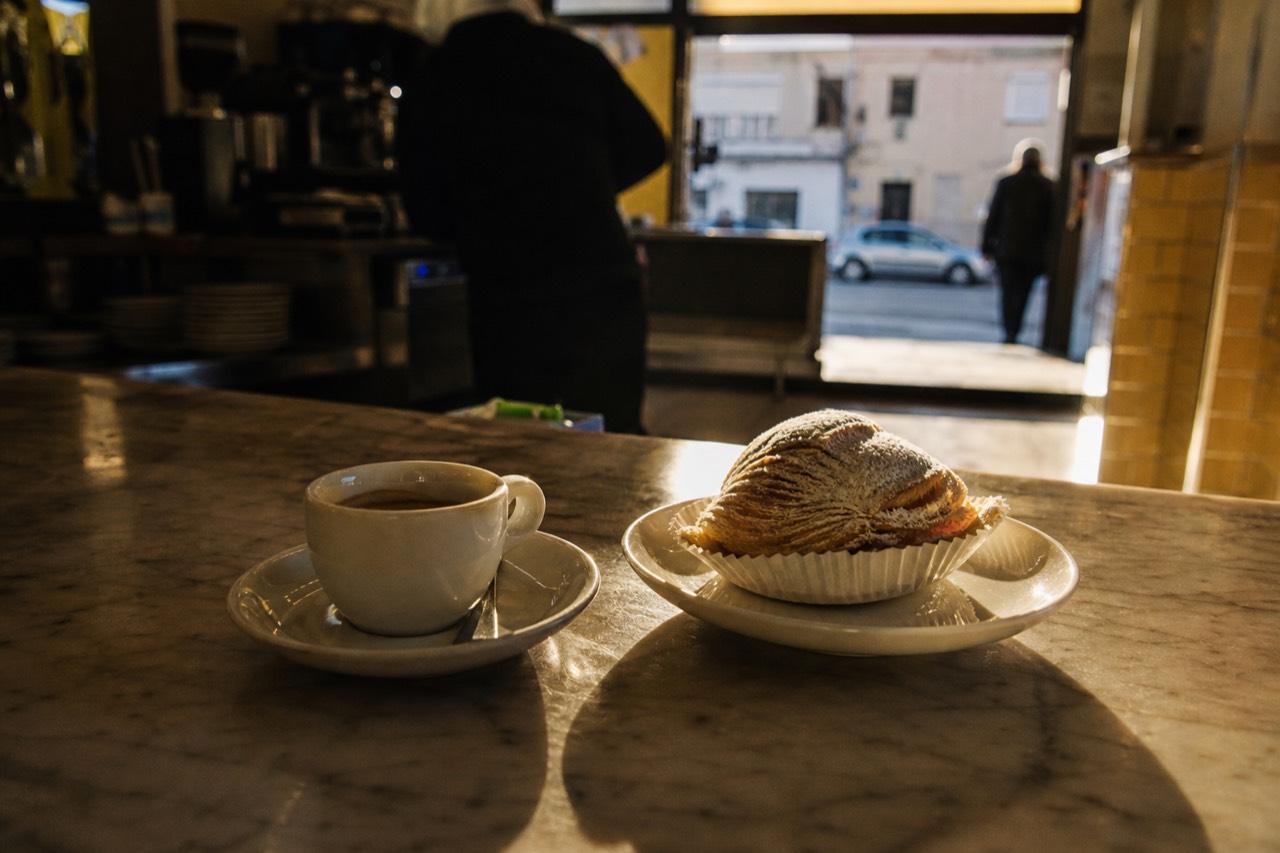
At 6:45 on a weekday, the queue outside Attanasio on Vico Ferrovia is mostly people in work jackets holding a paper receipt. Nobody sits down. Trays come out of the oven, they empty within a couple of minutes, and the whole transaction takes less time than reading a menu would.
Keep the independent food plan below, or add a guided experience for the food, place or technique that interests you most.
Booking choice: Compare espresso and cuccumella with sfogliatella, a coffee-cream pastry and a StoryCard. Explore Coffee And Pastry Tasting
What Do People Eat For Breakfast In Naples?
Breakfast in Naples is sweet, small and fast: an espresso with a pastry, eaten standing at the bar counter. The usual choices are sfogliatella riccia or frolla, a cornetto, or a babà. Most people are in and out inside five minutes, and the bill rarely passes €4.
That is the entire ritual. Coffee arrives as a shot in a small cup, not a mug, and the pastry is often still warm because bakeries time their trays to the morning rush rather than to a display case. In most bars you pay at the till first, then hand the receipt across the counter. Sitting at a table changes the price and slows the whole thing down, which is exactly why almost nobody does it before work.
What Is A Typical Breakfast In Naples, Italy?
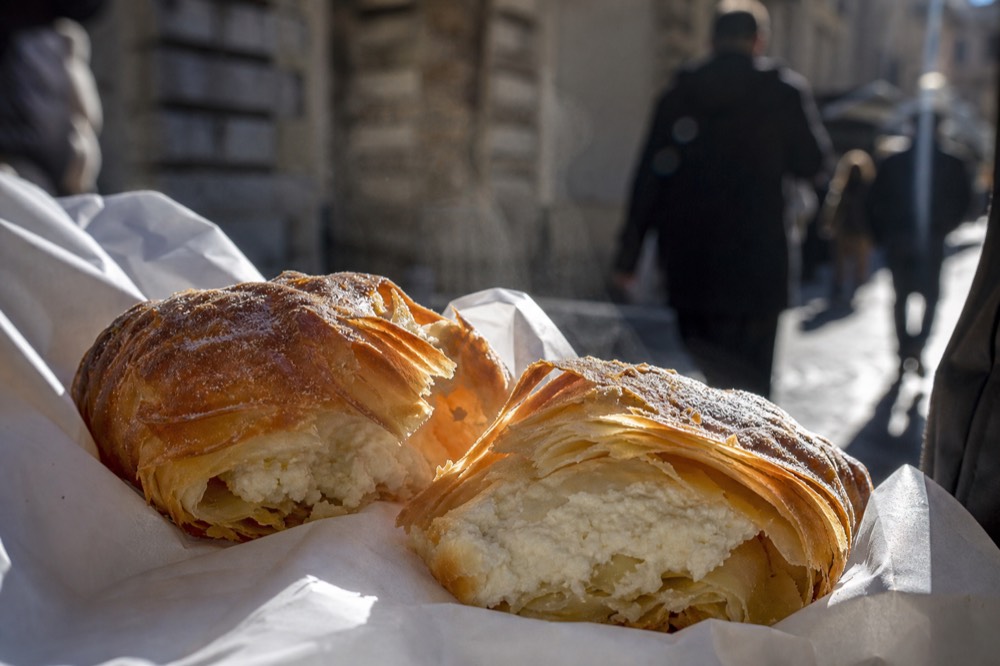
A typical Neapolitan breakfast is one hot drink and one pastry, nothing else. Sfogliatella riccia costs roughly €2 to €2.50, the shortcrust frolla version €1.50 to €2, and a rum-soaked babà €2 to €3. There is no plate, no side, no second course. The whole thing is done standing.
The choice that matters is riccia or frolla. Riccia is the famous one, a fan of paper-thin layers baked until the shell shatters when you bite it, with a warm semolina and ricotta filling underneath. Frolla is the same filling wrapped in soft shortcrust, rounder and quieter, and it is what people order when they want something that survives a walk. A cornetto sits alongside both, plain or filled with cream, and is the safe order in any neighbourhood bar that is not a dedicated pasticceria.
| Pastry | What you get | Typical price | When it is at its best |
|---|---|---|---|
| Sfogliatella riccia | Crisp fanned layers, semolina and ricotta inside | €2 to €2.50 | Straight from the oven, while the shell still shatters |
| Sfogliatella frolla | Same filling in a soft shortcrust dome | €1.50 to €2 | Any time, and it travels better in a bag |
| Babà | Yeast cake soaked in rum syrup, sometimes cream-filled | €2 to €3 | Late morning, at a pasticceria that makes its own |
Everything else you have read about eating here belongs later in the day. The fried food, the folded pizza, the market stalls: those are covered in the full street food dish list, and none of it is breakfast.
Where Do Neapolitans Go For Breakfast?
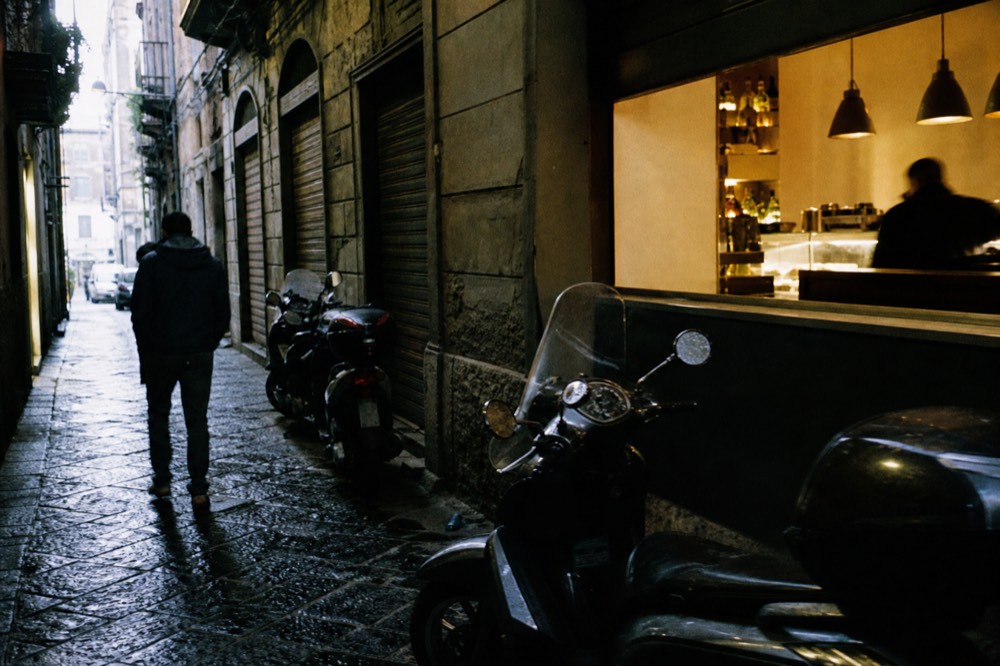
To the nearest bar, most days. The exceptions people travel for are Attanasio, a few steps from Stazione Centrale, open Tuesday to Sunday from about 6:30am and closed Monday, and Scaturchio on Piazza San Domenico Maggiore, the pasticceria other pasticcerie get measured against. Queues at both are normal and move fast.
Attanasio is the one worth setting an alarm for, because a sfogliatella riccia eaten within a minute of leaving the oven is a different object from one that has sat under glass since seven. The queue looks alarming and usually is not. Scaturchio works differently: it is a sit-and-look pasticceria on one of the prettiest squares in the centre, better suited to a late-morning babà than to a rushed espresso. Both show up in food gems worth the short detour for the same reason, which is that neither one is hiding.
For a short booked breakfast experience, the verified coffee-and-pastry tasting takes 30 minutes and compares espresso with cuccumella. A longer Eating Europe food walk starts with coffee and sfogliatella, then continues into savoury food. Related reading: street food walking tours.
Why Is There No Savoury Breakfast In Naples?
Because the savoury kitchen simply is not open yet. Fried counters and pizza windows start mid-morning at the earliest, and the market gets going around nine. Eggs, bacon and cooked plates are hotel food for foreign guests, not a Neapolitan habit, and asking for them at a bar counter will get you a polite blank look.
The clock explains it better than culture does. Look at when the savoury places actually raise their shutters and the gap in the morning becomes obvious.
| Where | Days | Hours | What that means before noon |
|---|---|---|---|
| Attanasio, Vico Ferrovia near Stazione Centrale | Tue to Sun, closed Mon | From about 6:30am | The only real early option, and it is sweet |
| La Pignasecca market | Mon to Sat, closed Sun | Roughly 9:00 to 19:00 | Produce and fish first, fry stalls warming up |
| Di Matteo street window, Via dei Tribunali 94 | Daily | About 9:00 to midnight | €2 folded pizza, but not at breakfast hour |
| Friggitoria Vomero, Via D. Cimarosa 44 | Mon to Sat, closed Sun | 10:00 to 14:30, 16:30 to 21:30 | Cuoppo at €3 to €6, a late-morning thing |
Hotels are the exception and they know it, laying out a buffet aimed squarely at foreign guests. Worth budgeting for either way: the city charges an overnight tourist tax of €4.00 to €6.00 per person per night depending on the class of your accommodation, and that lands on the bill separately from the room.
How Do You Drink Coffee Like A Neapolitan?
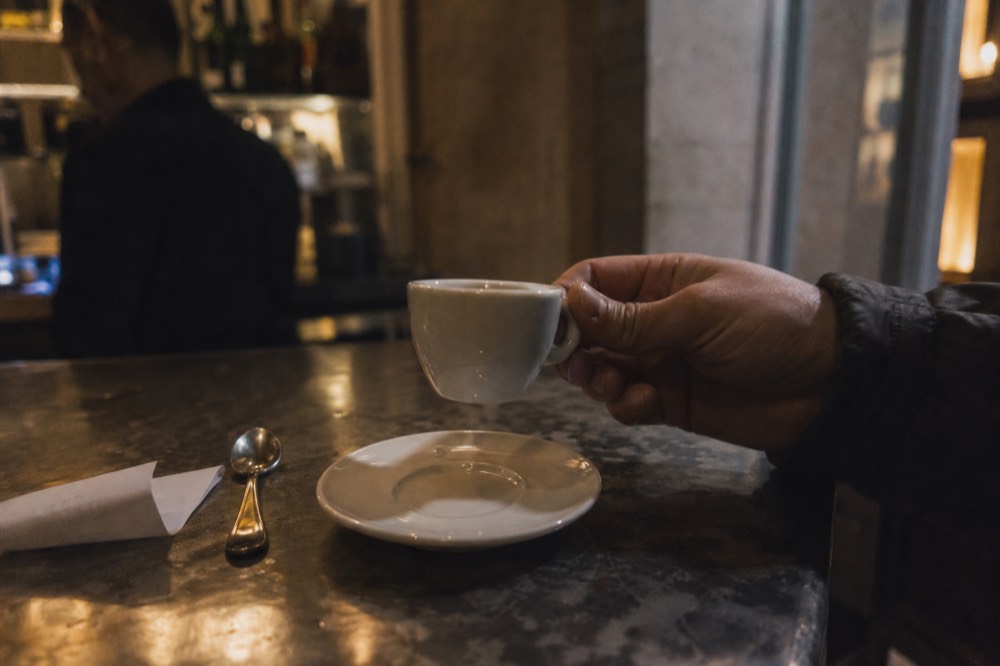
Order at the till, take the receipt to the bar, say "un caffè" and expect a short dark espresso. Drink it at the counter in two or three sips rather than carrying it away. Cappuccino is treated as a morning drink and rarely ordered after a meal. Nobody lingers, and nobody is meant to.
Neapolitan espresso runs darker and shorter than what most visitors are used to, and it usually arrives already sugared unless you say otherwise, so speak up before it is poured if you want it plain. There is no takeaway culture to speak of. The counter is the point: you stand, you drink, you say something to whoever is next to you, you leave. It takes ninety seconds and it is the most reliably local thing you will do all day.
The morning rush is also a crowd, and it has grown. Naples counted around 15 million tourist stays in 2025, up 4% year on year, and in summer the city absorbs an average of three cruise liners a day. Bars near the station and along the main tourist axis feel that between eight and ten. Walk two streets sideways and the same espresso costs the same and arrives faster.
Do Morning Food Tours Include Breakfast?
Some food walks include breakfast-style stops, but the sequence matters. Eating Europe explicitly opens with coffee and sfogliatella; the 30-minute coffee tasting is a shorter option. The Pignasecca walk is a two-hour savoury-and-sweet market outing, not a dedicated breakfast tour.
A pastry and espresso are easy to buy independently. A tasting adds a comparison of coffee preparations; a guided walk adds food explanation and ordering help. Check the actual departure time instead of assuming every food walk starts at breakfast.
After breakfast, the day opens up. What to eat across a full day in Naples picks up where the pastry counter stops, and what a pizza actually costs in Naples answers the question everyone asks by about one in the afternoon.
Choose Your Naples Experience
Coffee And Pastry Tasting. Compare espresso and cuccumella with sfogliatella, a coffee-cream pastry and a StoryCard. Have a date in mind? Check it before arranging the rest of your Naples day.
30 minutes. A 30-minute tasting at a central coffee shop. Use the booking confirmation for its address. Transport excluded. Allergies require advance agreement; an English-speaking live guide is not established.
Choose and confirm your travel date on GetYourGuide. Its embedded calendar is temporarily unavailable.
Check Your Date For Coffee And Pastry TastingNo verified experience fits those requirements. Adjust your choices, or keep the independent plan described above.
Compare Options And Fit Your Plans
General recommendation until you choose. Confirm the exact option, meeting point, inclusions and dietary arrangements when booking. A food walk does not promise a visit to a particular celebrity pizzeria. Allow travel time on top of the activity duration.
- Spanish Quarter Food Walk With Eating Europe: 180 minutes. Start with coffee and sfogliatella, then discover the Spanish Quarter, pasta, frittatina and margherita. 3 hours with food and drinks listed in the chosen option. Stops vary; use the booking confirmation for the meeting point. Minimum two guests to run; under-4s can accompany without included food. Dietary requests require advance confirmation.
- Pignasecca Market And Six Tastings: 120 minutes. Explore the working market with a guide, from folded pizza and a seafood cone to a sweet finish. Meet outside San Liborio church, Piazza Carità 12. Select the vegetarian option when needed. Food and drinks listed in your chosen option are included; extra orders are separate. A market walk, not a shopping-and-cooking class.