What Are Some Hidden Food Gems In Naples?
Naples hides its best food two streets off the main drag: the €3 to €6 cuoppo up in Vomero, Attanasio's 6:30am queue, Scaturchio, and the Pignasecca fry stalls.
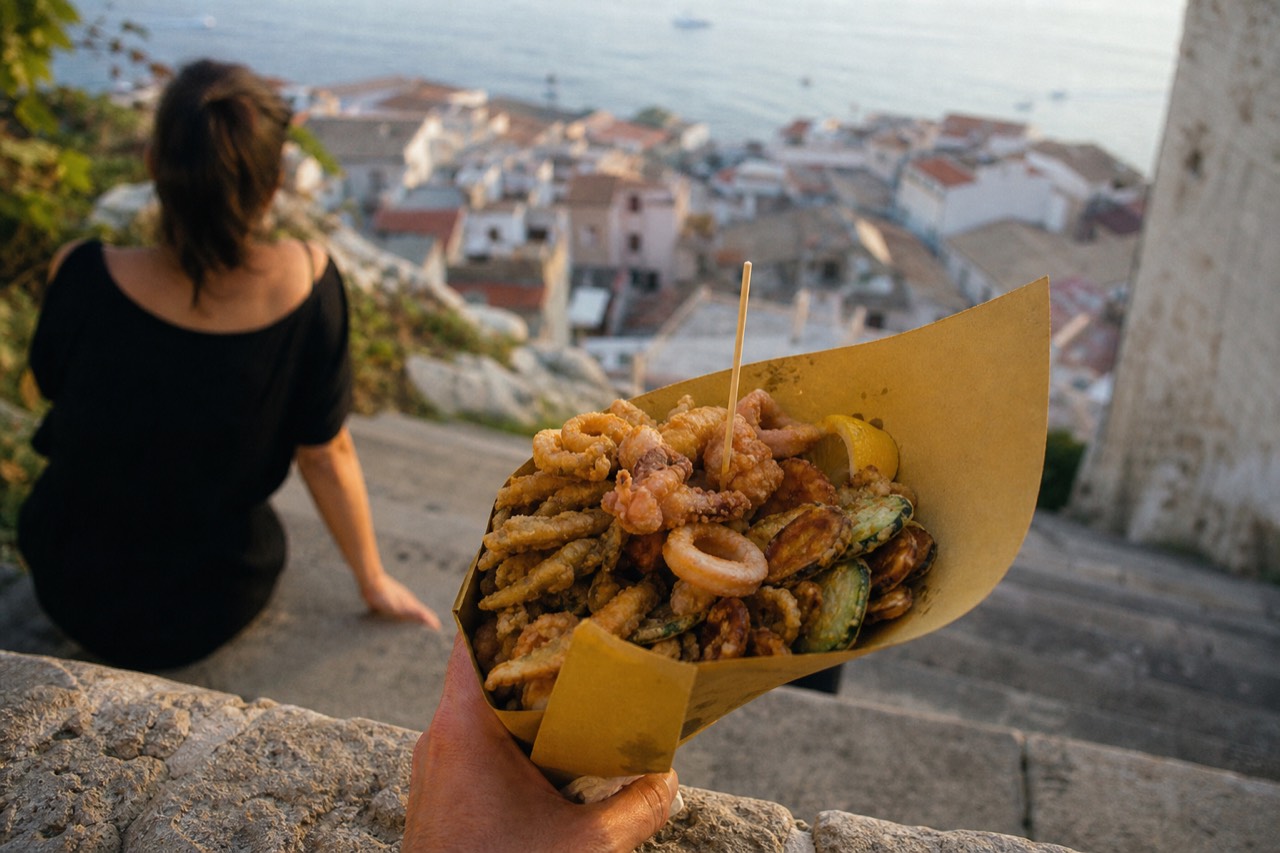
Take the funicular up from Via Toledo, walk five minutes along Via Cimarosa, and the queue outside Friggitoria Vomero is people from the neighbourhood buying dinner. Twenty minutes earlier you were shoulder to shoulder on Spaccanapoli. Same city, same food culture, a completely different temperature.
Keep the independent food plan below, or add a guided experience for the food, place or technique that interests you most.
Booking choice: Explore with your own host, choosing the listed six- or ten-tasting option for your group. Explore Private Naples Tasting Walk
What Are Some Hidden Food Gems In Naples?
Four places do most of the work: Friggitoria Vomero for cuoppo at €3 to €6, Attanasio near the station for sfogliatelle straight from the oven, Scaturchio on Piazza San Domenico Maggiore for babà at €2 to €3, and the fry stalls tucked inside La Pignasecca market. None are secret. All are routinely skipped.
The honest framing is that Naples does not really have hidden restaurants in the way a big anonymous city does. It has a famous half-mile that absorbs almost everyone, and a working food culture that continues in every direction around it. What looks like discovery is usually just a decision to walk uphill, get on a funicular, or turn left instead of continuing straight.
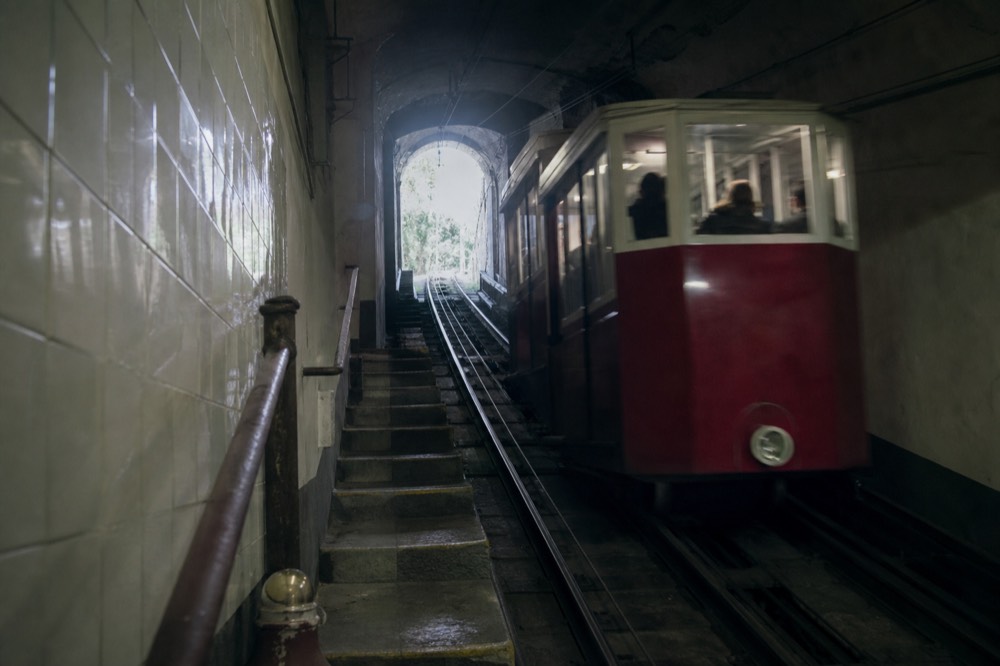
Why Is Friggitoria Vomero Worth The Funicular?
Because it is the one on this list that requires actually leaving the centre, which is exactly why it stays local. A cuoppo of fried seafood or vegetables costs €3 to €6 at Via Domenico Cimarosa 44, and the place opens Monday to Saturday, roughly 10:00 to 14:30 and again 16:30 to 21:30, closed Sunday.
The split hours are the tell. This is a friggitoria run to a neighbourhood rhythm, shut through the afternoon and open again for the evening walk, rather than a counter aimed at whoever happens to be passing at three in the afternoon. Vomero sits above the historic centre and is reached by funicular in a few minutes, and the change in air, noise and pace is worth the ride on its own. Order the cuoppo, eat it standing on the street like everyone else, and you have spent about the price of a coffee back home. The fried side of the city gets a fuller treatment in Naples street food, dish by dish, but this is where to taste it without a queue of forty.
Is The Queue At Attanasio The Real Local Secret?
The queue is the secret. Attanasio sits on Vico Ferrovia a couple of minutes from Stazione Centrale, opens Tuesday to Sunday from about 6:30am and closes Monday, and sells sfogliatelle at roughly €2 to €2.50 for a riccia. The line is normal, it moves, and it is the reason the pastry is still hot.
Most visitors never see it because it happens before their day starts and it happens in an unlovely street beside the railway. That is the whole trick. A riccia eaten sixty seconds out of the oven has a shell that shatters rather than bends, and no display case in the historic centre can reproduce that at eleven in the morning. If the pastry side of the morning is new to you, the morning pastry ritual explains the riccia and frolla split before you get to the counter and have to decide in Italian.
What About Scaturchio And The Pignasecca Fry Stalls?
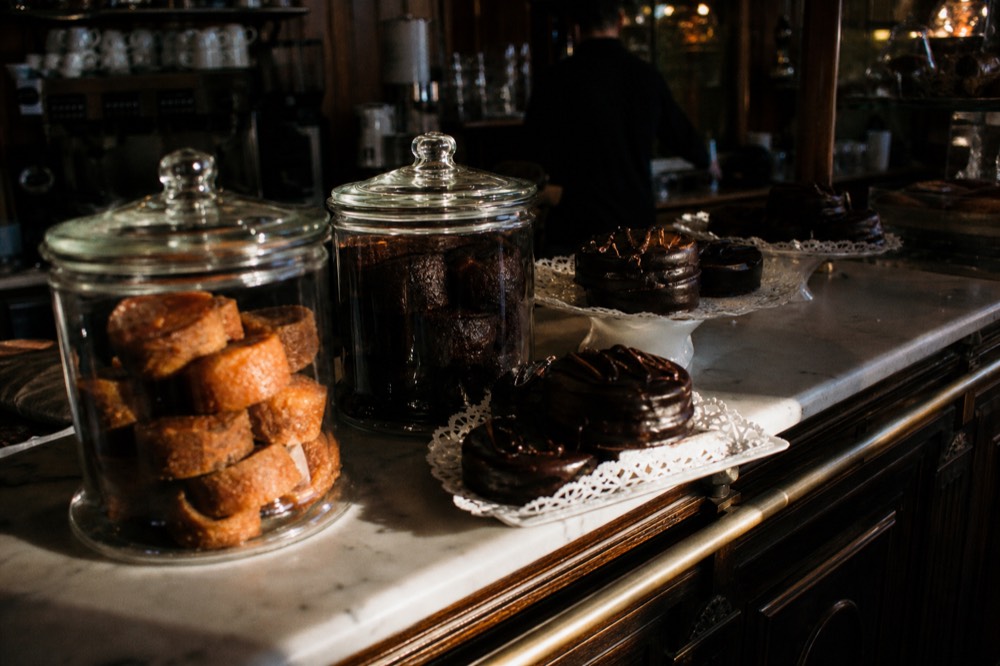
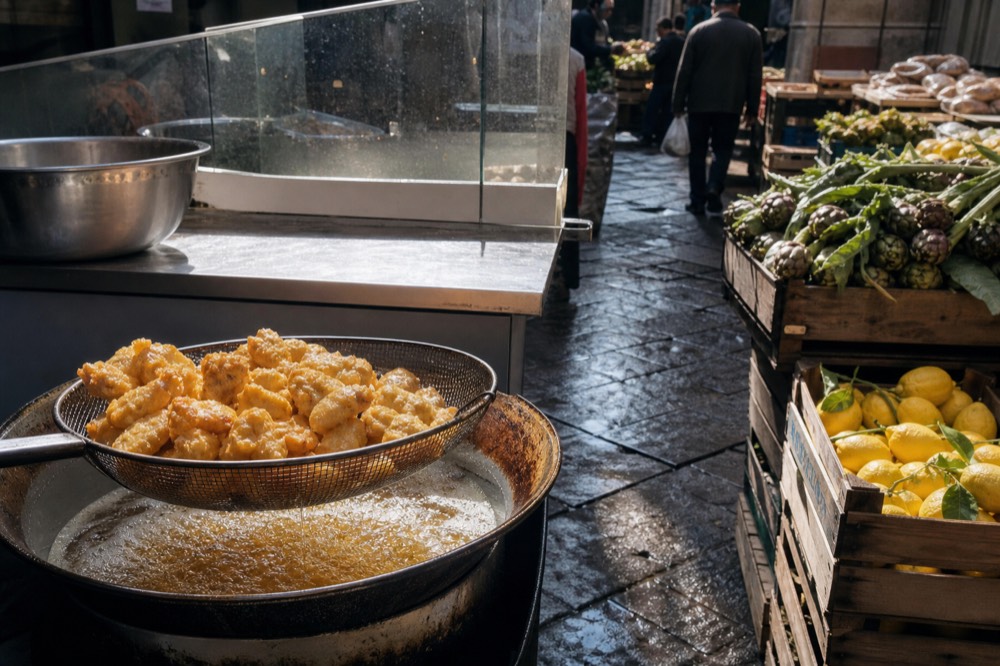
Scaturchio on Piazza San Domenico Maggiore is the benchmark pasticceria other pasticcerie get compared against, with babà at €2 to €3. La Pignasecca is the oldest open-air market in the city, open Monday to Saturday roughly 9:00 to 19:00 and closed Sunday, and it is local-first, with friggitorie and fry stalls along its edges.
These two are hidden only in the sense that people walk past them on the way to something they read about. Scaturchio sits on one of the most photographed squares in the centre, which somehow makes it easier to miss, and it works best as a late-morning sit rather than a rushed stop. The Pignasecca is the opposite kind of place: functional, loud, mostly fish, produce and meat for people cooking dinner, with frying counters folded in among the stalls. It is a food market rather than a food attraction, and that distinction is the point of the city's working food markets.
| Spot | What to order | Price | When it makes sense |
|---|---|---|---|
| Friggitoria Vomero, Via D. Cimarosa 44 | Cuoppo of fried seafood or vegetables | €3 to €6 | Late morning or from 16:30, closed Sunday |
| Attanasio, Vico Ferrovia | Sfogliatella riccia, hot | €2 to €2.50 | From about 6:30am, closed Monday |
| Scaturchio, Piazza San Domenico Maggiore | Babà al rum | €2 to €3 | Late morning, sitting on the square |
| La Pignasecca fry stalls | Frittatina di pasta, fried snacks | €2 to €3 | Monday to Saturday, mornings are best |
Add a €2 pizza a portafoglio from a street window and a whole day of eating lands somewhere around €12 to €15, which is the number that surprises people most.
What Does "hidden" Actually Mean In Naples?
It means two streets sideways, one hill up, or one hour earlier. The famous addresses are famous for real reasons and are published on lists anyone can read. What separates a local afternoon from a tourist one is not access to secret places, it is willingness to walk out of the crowd.
Some perspective on the crowd. The city recorded around 15 million tourist stays in 2025, and almost all of that pressure lands on the same axis between the cathedral and Piazza del Gesù. Meanwhile the rooms with genuine international reputations are on public record: the official 50 Top Pizza list put Diego Vitagliano joint fourth in the world in 2025, with 50 Kalò di Ciro Salvo at 12 and La Notizia 53 at 17, and Da Michele appears in the Michelin Guide. Nothing about those is hidden, and there is no shame in going. Just do not expect to have found something.
The real find is a neighbourhood. Sanità, Vomero, the upper Quartieri: each has its own bakery, fry counter and pizzeria running on local trade, which is what the neighbourhood-by-neighbourhood breakdown is for. If wandering into unfamiliar quarters raises the obvious question, how safe the alleys really are answers it without drama in either direction.
How Do Private Hosts Build A Route Around These?
By dropping the fixed itinerary. A private host picks stops for your group, which is what makes an off-axis route possible: the market before the fry stalls get busy, a hill neighbourhood instead of the main drag, ten tastings across three hours rather than the same eight everyone gets. It runs from $175 for the whole group.
A private walk gives your group its own host. The listed six- or ten-tasting options take three hours; agree the meeting point and route before booking. An early pastry stop, funicular transfer or specific shop visit is not automatically included. Related reading: private and evening food tours.
Evenings work differently again, since pizzerias and street windows suit a later meal. The pizza-and-drinks walk takes three and a half hours. Choose the actual departure and read its cancellation terms before arranging dinner around it.
Choose Your Naples Experience
Private Naples Tasting Walk. Explore with your own host, choosing the listed six- or ten-tasting option for your group. Have a date in mind? Check it before arranging the rest of your Naples day.
180 minutes. 3 hours; choose the ten-tasting option if you want ten tastings. Private refers to your group and guide. Confirm the route and meeting point with your host; specific shop visits, hill transfers and queue priority are not promised. Dietary needs require prior agreement.
Choose a date to see scheduled departures. Final availability and price are confirmed on Viator.
No verified experience fits those requirements. Adjust your choices, or keep the independent plan described above.
Compare Options And Fit Your Plans
General recommendation until you choose. Confirm the exact option, meeting point, inclusions and dietary arrangements when booking. A food walk does not promise a visit to a particular celebrity pizzeria. Allow travel time on top of the activity duration.
- Private Vintage Fiat Food Tour: 270 minutes. Link Vomero and the seafront by vintage Fiat, with local tastings and a private pizza-making lesson. 4.5 hours; agree your Naples pickup and drop-off with the operator. Some walking is involved. The chocolate factory closes Friday afternoon and at weekends. Dietary and mobility suitability need confirmation. This is longer than the two-hour DIY hill walk.
- Spanish Quarter Food Walk With Eating Europe: 180 minutes. Start with coffee and sfogliatella, then discover the Spanish Quarter, pasta, frittatina and margherita. 3 hours with food and drinks listed in the chosen option. Stops vary; use the booking confirmation for the meeting point. Minimum two guests to run; under-4s can accompany without included food. Dietary requests require advance confirmation.