Naples Pizza Class With Kids: Ages, Ovens, Timing
Updated November 3, 2026
Yes, children can join a pizza class in Naples: most family-friendly sessions welcome kids from about age 6, run 2 to 3 hours, and keep young bakers at the dough table while staff handle the 485C oven.
Short answer
Most Naples pizza classes welcome children from around age 6, with under-18s accompanied by an adult. Sessions run 2 to 3 hours at midday, late afternoon or evening slots. The pizza and gelato class costs from $46 per person, rated 4.8 across 506 reviews, and pairs well with younger kids.
Yes, children can join a Naples pizza making class: most family sessions welcome kids from about age 6, under-18s must be accompanied, and the standard 2 to 3 hour format works around nap times and dinner. The gelato pairing class from $46 per person is the gentlest entry point for families. If pizza night goes over well, the guide to the Naples pasta cooking class covers what your family makes and eats at a slower sit-down session.
That is the short version. The longer version covers what an age policy actually looks like on the ground, how schools manage a wood-fired oven running at roughly 485C with eight-year-olds in the room, and which time slot gives a family the best shot at a calm, unhurried session.
Are Kids Allowed In A Naples Pizza Class?
Most Naples pizza schools allow children, commonly from around age 6 upward, and every operator requires under-18s to be accompanied by an adult. Many classes hand each participant a certificate at the end, which younger children treat as the highlight of the visit. Policies vary by operator, so the age line on the live listing is the one that counts.
The pattern across Naples class listings is consistent: no school advertises itself as adults-only, several actively market to families, and the accompanying-adult rule for under-18s is standard rather than an exception. Some operators set a minimum age near 6, others leave it looser and simply expect a parent beside the child at the dough bench. Class sizes usually run 10 to 15 participants, a scale that the historic-center class operator Esperi describes as typical, with some sessions larger. That size matters for families: a child in a 12-person room gets real attention from the pizzaiolo, while a 20-person room can leave a six-year-old waiting.
One practical note on seasons. Several Naples class operators set a minimum participant count of 2 in high season, April to October, and 4 in low season, November to March. A family of three or four clears that bar easily, but a single parent with one child booking a February class can find the session cancelled for low numbers, so checking the minimum before paying matters more in winter. If you are still deciding between a class and a walking food tour, Pizza Class Or Food Tour In Naples: Which Fits You? breaks the tradeoff down, and the short version is that classes suit younger children better than three hours on cobbles.
Which Naples Pizza Class Suits A Family Best?
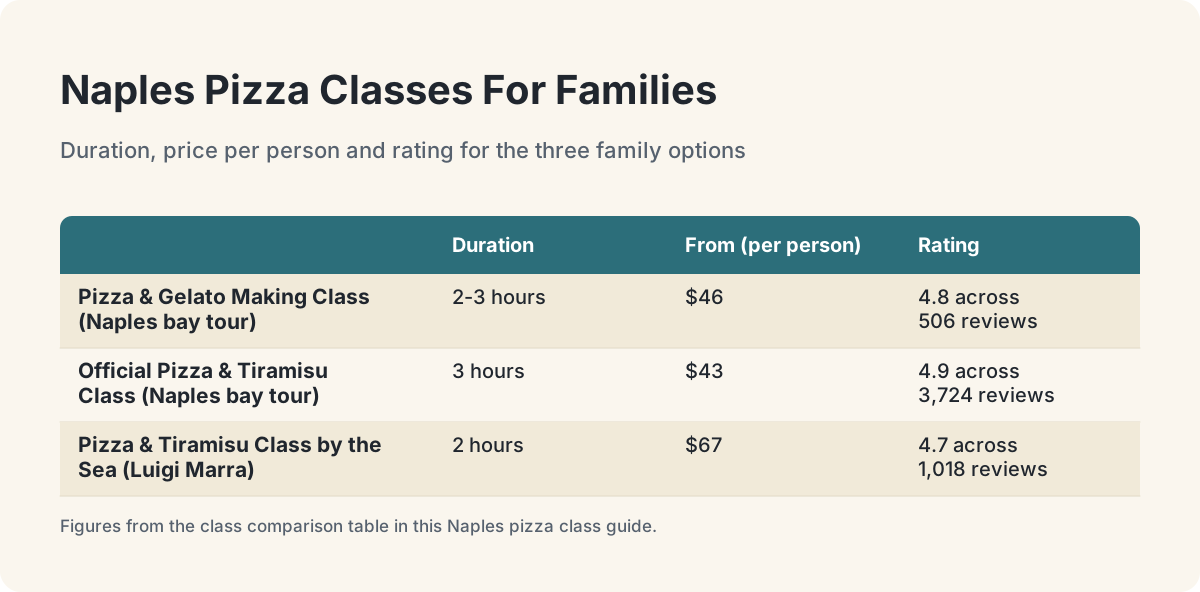
The gelato pairing class is the usual family pick: from $46 per person, 2 to 3 hours, rated 4.8 across 506 reviews, and the ice cream course gives younger children a second activity when their dough attention runs out. Older kids manage the 3-hour official pizza and tiramisu class from $43 just as happily.
Price and format drive the choice more than quality, because all three family-viable options review well. The pizza & gelato making class splits the session between pizza and gelato, which resets short attention spans. The official pizza and tiramisu class, from $43 per person and rated 4.9 across 3,724 reviews, runs 3 hours and includes the tiramisu build, a layered assembly task children can genuinely do themselves. The seafront pizza and tiramisu class from Luigi Marra, from $67 per person and rated 4.7 across 1,018 reviews, is shorter at 2 hours, which suits a family that wants the experience without committing an entire afternoon.
The wider context on prices and teachers lives in Naples Pizza Making Classes: Prices, Teachers, And What You Bake, including the professional-grade courses you should definitely not book for a seven-year-old.
| Class | Duration | From (per person) | Rating | Kid fit |
|---|---|---|---|---|
| Pizza & Gelato Making Class (Naples bay tour) | 2-3 hours | $46 | 4.8 across 506 reviews | Best for ages 6-9, gelato break |
| Official Pizza & Tiramisu Class (Naples bay tour) | 3 hours | $43 | 4.9 across 3,724 reviews | Best value, suits ages 8+ |
| Pizza & Tiramisu Class by the Sea (Luigi Marra) | 2 hours | $67 | 4.7 across 1,018 reviews | Shortest, good for shorter legs |
A scheduling note that belongs with this choice rather than later: booking 3 to 7 or more days ahead is the recommended window for June through September, per the booking guidance at Happy to Visit's Naples class guide. Families competing with couples and cruise passengers for the same 12 seats should treat that as a floor, not a target.
How Hot Is The Oven And Is It Safe For Children?
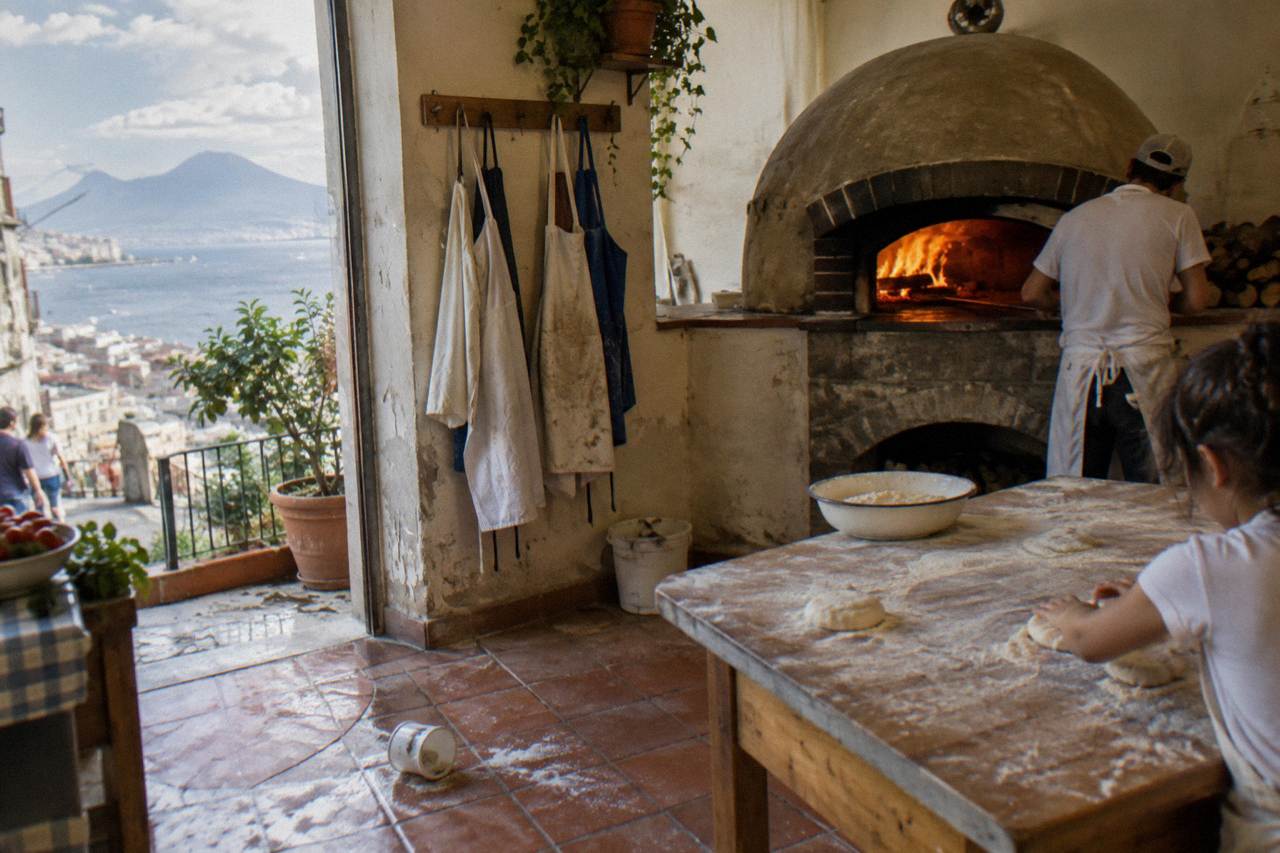
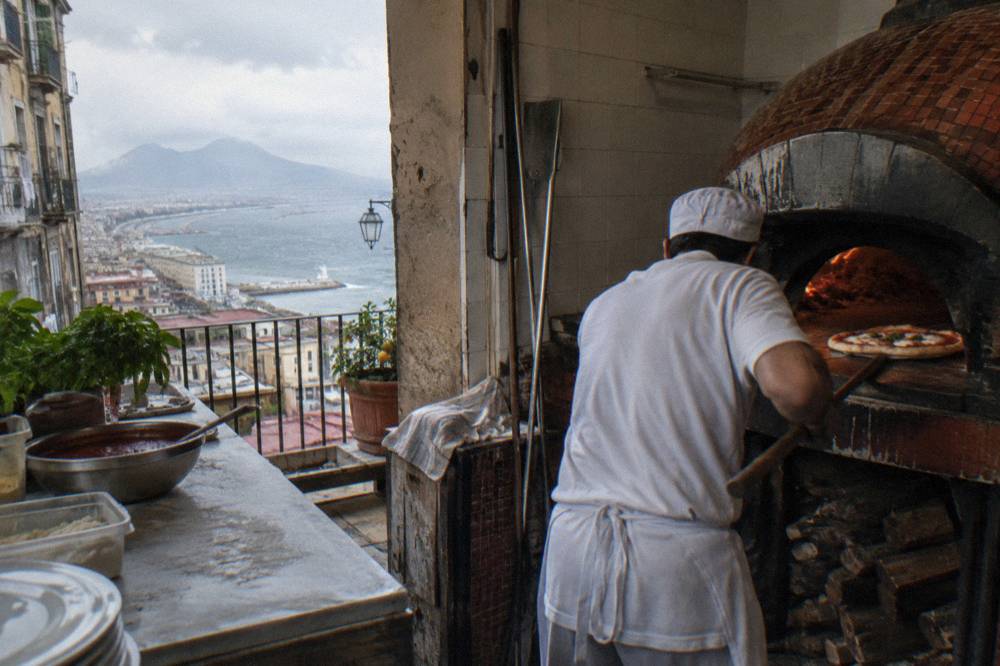
A Neapolitan pizza oven runs a floor at roughly 485C and bakes each pizza in 60 to 90 seconds; children shape and top the pizza, staff launch it and pull it, and no family-format class puts a child's hands inside the oven mouth. The heat is managed by separation, not by cooling anything down.
The numbers come from the official rule set for Neapolitan pizza rather than from any single school. The STG specification, summarized at the pizza STG reference page, gives dough balls of 180 to 250 g, an oven floor around 485C, and a bake of 60 to 90 seconds. The AVPN disciplinare, on the Associazione Verace Pizza Napoletana site, states a wood-fired oven at 430 to 480C with the same 60 to 90 second cook. What that means for a parent: the room is warm, the oven is fierce, and the division of labor is strict.
In practice the workflow is: your child flattens the dough ball, adds tomato and mozzarella, and hands the peel to the pizzaiolo, who does the launch and the turn. Most children find this arrangement satisfying rather than restrictive, because the launch is the loud, dramatic part and watching it from two steps back is genuinely fun. The realistic safety issues in a family class are not the oven, they are hot trays arriving at the table and flour-slick floors near the bench, both of which are ordinary parental supervision.
What Time Of Day Should A Family Book?
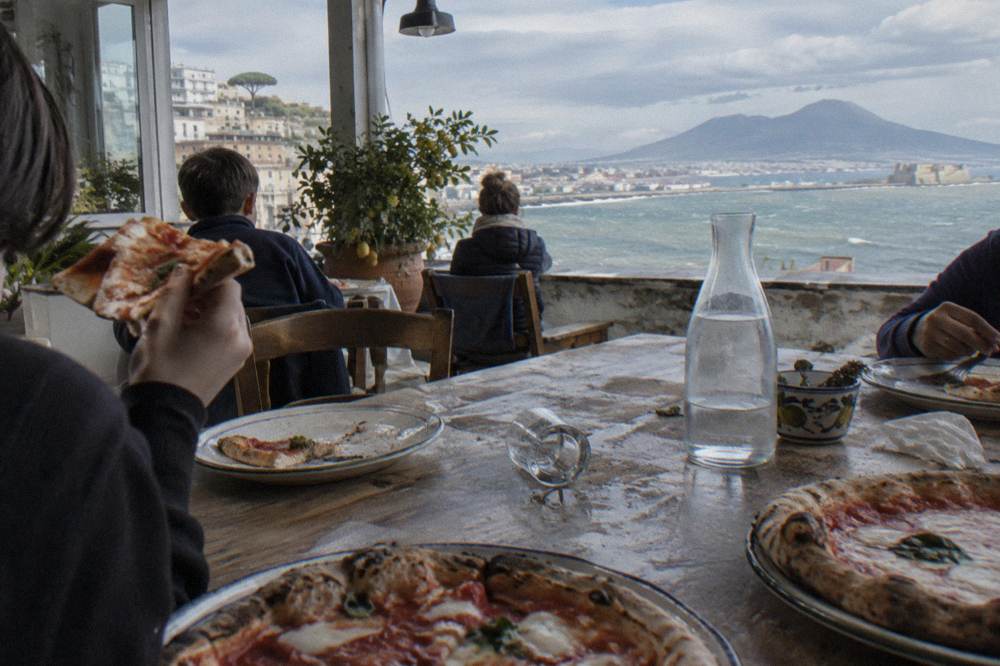
Family-friendly slots cluster at 11:00 or 12:00, 17:00 or 18:00, and around 20:00, with the midday session the safest bet for children, since it ends with lunch, uses the freshest attention span of the day, and leaves the evening free. The 2 to 3 hour duration is the real constraint to plan around.
The slot pattern comes from how Naples class operators schedule their kitchens: three rough windows, morning, late afternoon, and dinner hour. For a family, the midday window is the one that structurally works. A class that starts at 11:00 or 12:00 ends with the group eating its own pizzas at what is, for a child, exactly the right time. The 17:00 or 18:00 slot turns the class into dinner itself, which also works, but pushes bedtime past 20:30 for younger children once the session runs its full 2 to 3 hours. The 20:00 slot is realistically for teenagers and adults.
Two hours is the minimum duration listed for these classes and three the maximum, which means a family should budget the walk to the venue plus the eating time on top. All the classes here are walking-accessible meetings in the historic center with no pickup, so add the time from your hotel door.
| Slot | Typical start | Session length | Family verdict |
|---|---|---|---|
| Midday | 11:00 or 12:00 | 2-3 hours | Best for ages 6-10, ends as lunch |
| Late afternoon | 17:00 or 18:00 | 2-3 hours | Works as dinner, later bedtime |
| Evening | 20:00 | 2-3 hours | Teens and adults only |
What Will Kids Actually Be Able To Do Themselves?
Children can do almost the whole process except the oven work: tear and press the dough, crush the tomatoes by hand, tear the mozzarella, tear basil, and assemble their own pizza from a 180 to 250 g dough ball. The certificate most schools hand out at the end is earned, because the shaping is genuinely the child's work.
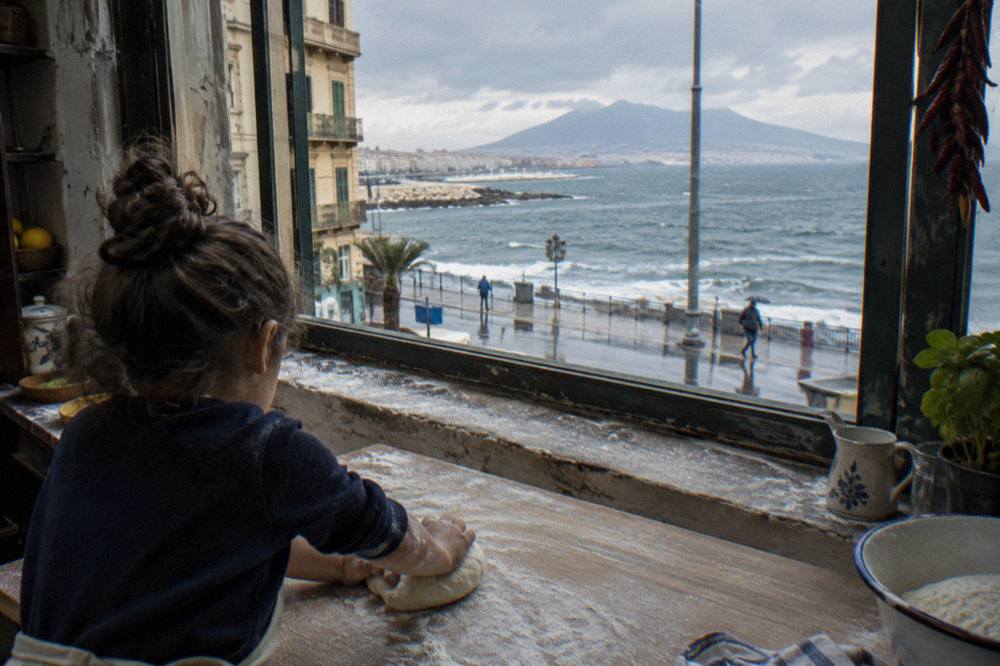
The dough stage is the part children remember. Pressing a dough ball flat without a rolling pin, the way the STG rules require, is a physical puzzle that a six-year-old can solve with a demonstration, and the topping stage is pure assembly. Tiramisu, where the class includes it, is even better suited to small hands: dipping savoiardi and layering cream needs no strength and no heat. Gelato classes go further and put children in front of a machine with no hot surface at all.
If your child is old enough to ask why the pizza matters so much here, Why Is Napoli Pizza So Famous? gives the UNESCO-and-1889 story in a form a curious nine-year-old will sit still for, and it makes a decent pre-trip read. For the booking itself, the official pizza making class page lists current times and the full inclusion set.
| Stage | Child does it | Staff does it |
|---|---|---|
| Dough ball press and stretch | Yes | Demonstrates |
| Tomato crushing, topping | Yes | Prepares trays |
| Oven launch and turn | No | Yes, at 430-485C |
| Tiramisu or gelato stage | Yes | Sets up ingredients |
| Certificate | Receives | Prints |
How Much Does A Family Pizza Class Cost In Total?
Every seat in a Naples pizza class is priced per person with no child discount stated on the listings, so a family simply multiplies the from-price by the number of participants. The cheapest family seat is the official pizza and tiramisu class from $43 per person, and the seafront tiramisu class from $67 per person is the premium option.
That per-person structure surprises some parents, because a cooking class is one of the few travel activities where a four-year-old on a lap does not ride free. The listings here state from-prices per person without a published child rate, so plan on the adult figure for each participating child. What softens the total is that the price includes the meal: each participant eats their own pizza, and the tiramisu or gelato classes add dessert, so the class replaces a restaurant lunch rather than stacking on top of one.
Against other Naples food spending, that is reasonable. A Margherita at Da Michele runs about €6 to 7 and at Starita about €4.50 to 7.50, so a family pizzeria lunch costs far less, but the class buys three hours of supervised activity with the lunch attached. More cost comparison, including how walking tours stack up, is in the Naples food tour cost breakdown, and the full site menu of classes and tours is on the Naples Food Tours homepage.
Common Questions About Naples Pizza Class With Kids
Are kids allowed in Naples pizza classes?
Yes. Naples pizza classes commonly welcome children from around age 6, with under-18s accompanied by an adult. Some operators set no firm minimum and rely on parental judgment, so the age line printed on the live listing for your chosen date is the definitive one.
What is the minimum age for a Naples pizza making class?
Most family-friendly listings set a minimum around age 6, and a few go younger with a parent beside the child. The 2 to 3 hour duration is usually the real limit: a child who cannot stay engaged for two hours of dough work will struggle regardless of what the policy says.
Is the wood-fired oven dangerous for children?
No child handles the oven. Staff launch and turn every pizza at the 430 to 480C mouth while children watch from the bench, and the heat is managed by strict division of labor. The realistic parental jobs are watching for hot trays at the table and slippery floured floors.
Do children pay the full price?
Yes, the listings are priced per person with no published child discount. The gelato pairing class from $46 and the official class from $43 are the cheapest family seats, and every participant eats what they make, so the fee covers the meal.
How far ahead should a family book?
For June through September, booking 3 to 7 or more days ahead is the recommended window, and families should sit at the top of it. Class sizes run 10 to 15 and families of four take a third of a mid-size session, so popular midday slots fill first.