Why Is Napoli Pizza So Famous?
Napoli pizza is famous for one written rulebook: a 430°C wood oven, a 60 to 90 second bake, and a 2017 UNESCO listing for the pizzaiuolo craft.
Fame here is not marketing. There is a written specification, a heritage listing, a queue system at the famous rooms and a global certification register, and all four grew out of the same short set of rules about heat and time. Understand the sixty seconds and the rest of it falls into place.
Keep the independent food plan below, or add a guided experience for the food, place or technique that interests you most.
Booking choice: Knead, shape and top a margherita, make tiramisù, then eat your creations with a drink. Explore Pizza And Tiramisù Cooking Class
What Makes Napoli Pizza Different From Pizza Anywhere Else?
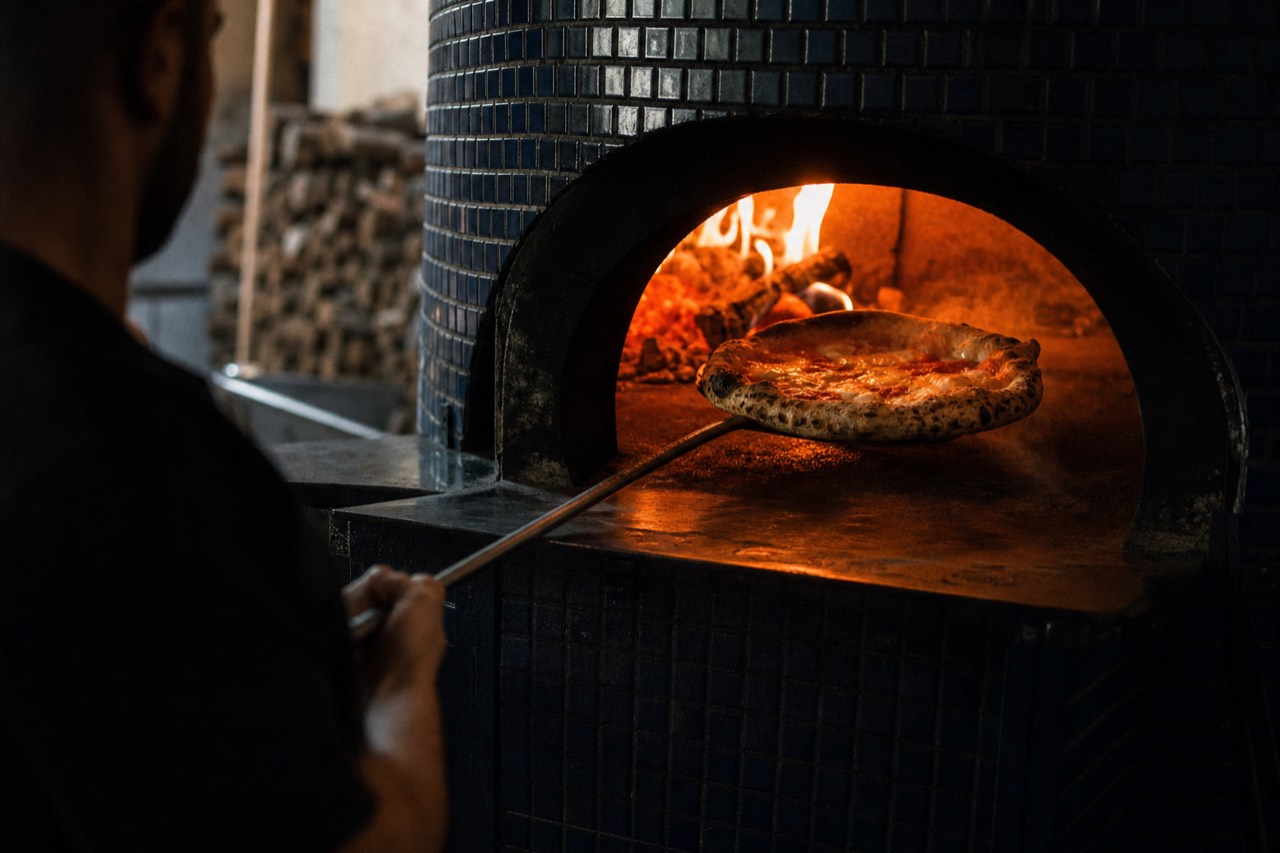
The bake, and nothing else comes close. A true Neapolitan pizza spends 60 to 90 seconds in a wood-fired oven held at 430 to 480°C. At that speed the rim inflates and blisters before the centre has any chance to dry out, which is why the middle stays soft and wet while the edge turns crisp and hollow.
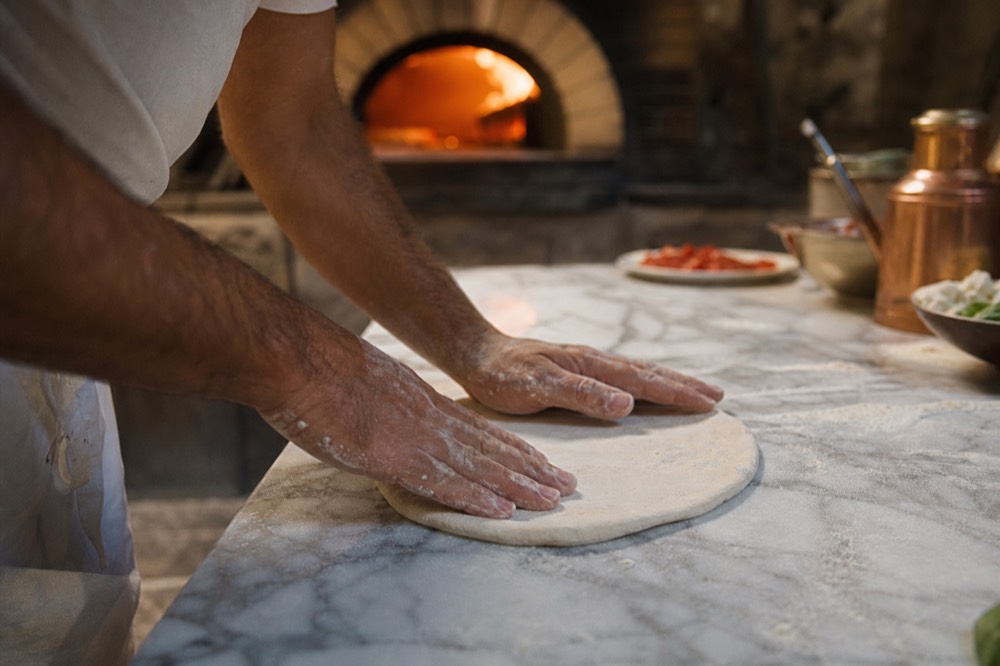
Pizza everywhere else is baked slowly enough to set. A slice you can hold flat off your fingers spent several times longer in a much cooler oven. Naples does the opposite on every variable. The dough is stretched by hand and never rolled, so the gas stays trapped in the outer ring. The tomato goes on raw and hand-crushed instead of being cooked down into a thick sauce. The mozzarella gives up its water in the same minute the base sets.
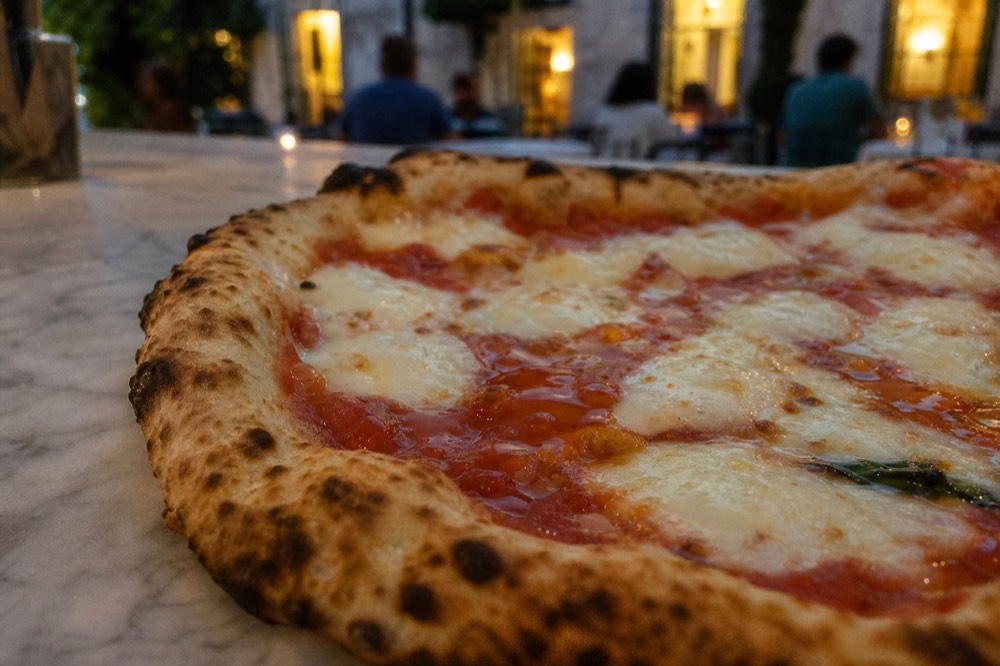
What lands in front of you is a soft disc with a wet middle and a puffed edge, and it is meant to be eaten right there, immediately, before it slumps. That softness is the design, not a fault, and it is the reason how to eat a Neapolitan pizza properly is a genuine question rather than a joke.
What Are The Rules A Real Neapolitan Pizza Has To Follow?
There is an actual rulebook. The Associazione Verace Pizza Napoletana publishes a specification covering flour, water, salt, yeast, oven fuel, temperature, bake time and finished size. Miss any line of it and you still have pizza, just not verace: not "true" Neapolitan by the standard the city defends.
| Rule | What the specification demands |
|---|---|
| Oven | Wood-fired only, 430 to 480°C |
| Bake time | 60 to 90 seconds |
| Dough rise | 8 to 24 hours in total |
| Dough ball | 200 to 280 g, hand-formed |
| Finished disc | 35 cm maximum |
| Cornicione (rim) | Raised 1 to 2 cm, swollen, no burnt patches |
| Base mix | 1 litre water, 1,600 to 1,800 g flour, 40 to 60 g salt, yeast |
| Tomato | Hand-crushed peeled tomatoes, never a dense cooked sauce |
| Cheese | Sliced buffalo mozzarella or fior di latte |
| Finish | Fresh basil, extra virgin olive oil |
Read the official specification and the surprise is how much of it is about restraint. There is no clause praising creativity. The association has been writing and policing these rules since 1984, and its inspectors check ovens and dough logs rather than tasting menus.
Why Did UNESCO Put Pizza Making On A Heritage List?
Because what got listed is the pizzaiolo, not the pizza. In 2017 UNESCO inscribed the Art of Neapolitan Pizzaiuolo on its Representative List of the Intangible Cultural Heritage of Humanity: the spin, the stretch, the peel work, the reading of a live fire, all of it taught hand to hand in Neapolitan workshops.
The distinction matters more than it sounds. A recipe can be copied off a website in an afternoon. What the UNESCO inscription protects is transmission: the apprenticeship, the songs and patter at the bench, the fact that a young baker in the city learns oven-reading from someone who learned it the same way. That is also why the craft survives the city's tourism swings intact.
What Makes A Napoli Pizzeria Special?
Narrowness. The most famous rooms do almost nothing else: L'Antica Pizzeria da Michele, running under the same family since 1870, serves marinara and margherita and that is the entire menu. No toppings list, no sides, no seasonal specials. Volume and repetition are the whole business model.
The queueing follows from it. Da Michele hands out numbered tickets for the dining room and waits run from about 20 minutes to two hours at peak, so most people take a ticket and walk the block. Sorbillo, on Via dei Tribunali, puts your name on a list at the door and shouts it when a table clears. Neither takes bookings. Both turn tables fast because the kitchen only makes two or three things.
Watching and making offer different ways to understand the craft. The verified pizza-and-tiramisù class includes dough handling and your own pizza. The pizzeria guide covers the independent eating option. Related reading: pizza and cooking classes in Naples, pizzeria comparison guide.
Did A Queen Really Invent The Margherita?
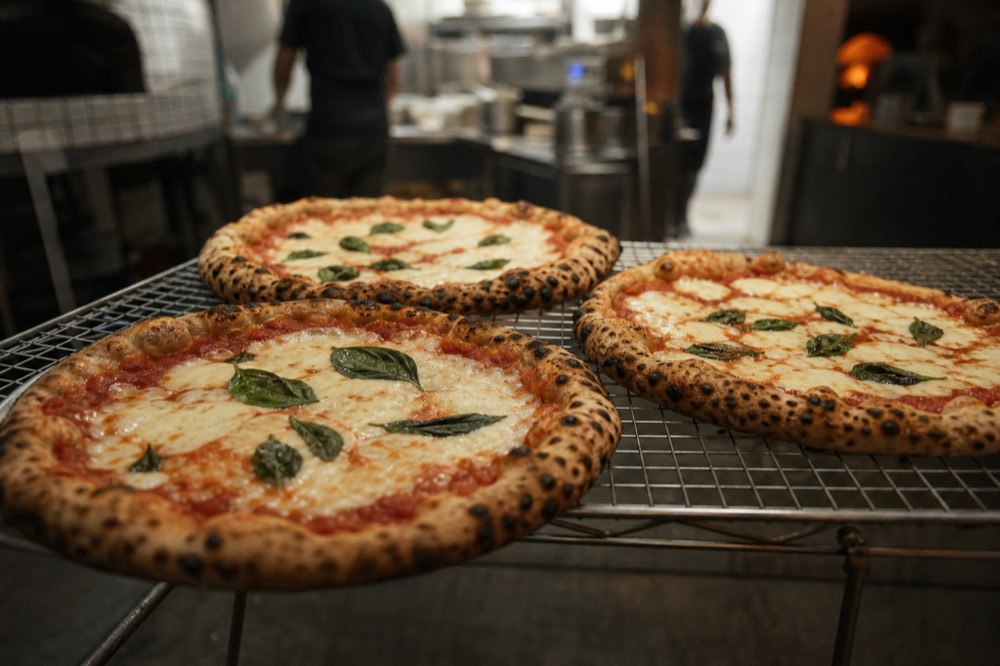
Half of the story holds up. In 1889 Raffaele Esposito of Antica Pizzeria Brandi served Queen Margherita of Savoy, and a thank-you letter dated June 1889, signed by the head of royal table services, survives to this day. The invention part does not hold up: tomato, mozzarella and basil on a pizza was already described in print by 1866.
So the tricolour story, red tomato and white cheese and green basil arranged for the queen, is the popular version rather than the documented one. Food historians place the combination well before that royal visit, which makes 1889 a naming event and a very good piece of early publicity. Brandi is still open and still leans on the letter, fairly enough. If founding dates are your thing, the argument over the oldest pizzeria in Naples has a similar shape: one loud claim, one careful archive.
Can You Get Real Neapolitan Pizza Outside Naples?
Yes, and there is a register for it. The style travels because the training travels: certified pizzerias abroad run the same oven temperature, the same dough windows and the same 60 to 90 second bake, all checked by the same association. What does not export is the density, the fact that a single street can hold three rooms doing it properly.
That density is what a few days of eating in the city buys you. Pizza is the headline, but the food list runs wider, from pasta fritters to sfogliatella. The three-and-a-half-hour pizza-and-drinks walk is an option for comparing several pizza styles. Related reading: full list of what to eat in Naples.
Sixty seconds of fire, eight hours of patience beforehand, and a city that has argued about the details for two centuries. That is the whole answer, and you can eat it for the price of a coffee and a bus ride. Every tour and class we compare is built around getting you in front of one.
Choose Your Naples Experience
Pizza And Tiramisù Cooking Class. Knead, shape and top a margherita, make tiramisù, then eat your creations with a drink. Have a date in mind? Check it before arranging the rest of your Naples day.
180 minutes. Meet at Via delle Zite 30. Ingredients and tools are provided; transfers are excluded. Under-18s need a parent or legal guardian. Dietary substitutions beyond the listed marinara option need operator confirmation.
Choose a date to see scheduled departures. Final availability and price are confirmed on Viator.
No verified experience fits those requirements. Adjust your choices, or keep the independent plan described above.
Compare Options And Fit Your Plans
General recommendation until you choose. Confirm the exact option, meeting point, inclusions and dietary arrangements when booking. A food walk does not promise a visit to a particular celebrity pizzeria. Allow travel time on top of the activity duration.
- Pizza And Drinks With Eating Europe: 210 minutes. Taste several pizza styles, including fried pizza, with local drinks and stories across the historic centre. Meet in front of Libreria Berisio; confirm the precise address and finish when booking. 3.5 hours; stops can vary. Extra drinks and transfers are excluded. A minimum of two guests is needed to run; under-4s can accompany without included food. Dietary requests require advance confirmation.
- Historic Centre Street Food Walk: 150 minutes. Taste fried pizza, mozzarella and Neapolitan pastries while an English-speaking guide connects the old streets. Meet by the Greek ruins in Piazza Bellini; follow your confirmation if meeting details change. 2.5 hours walking and standing; seats are not guaranteed. Vegetarian requests need advance notice; no vegan, gluten-free or dairy-free diets. Extra drinks cost extra.