Is Naples, Italy Safe?
Petty crime is the real risk in Naples, not violence. An honest look at pickpocketing, which areas need more care after dark, and the habits that work.
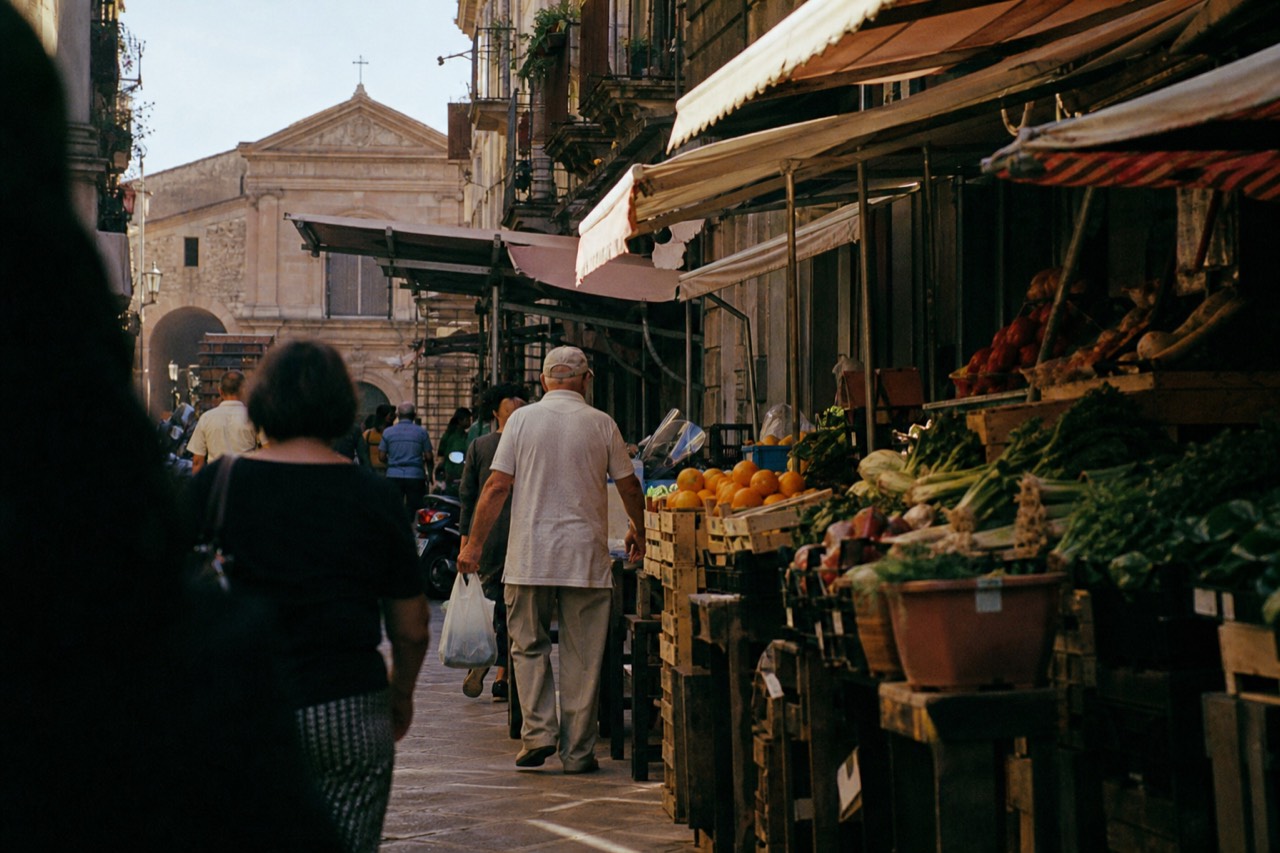
Ask ten people about Naples and you will get ten answers pitched at opposite ends of the scale, from "do not carry a bag" to "it is completely fine, relax". Neither is much use when you are standing outside the station with a suitcase. The useful version sits in the middle, and it is fairly boring.
Keep the independent food plan below, or add a guided experience for the food, place or technique that interests you most.
Booking choice: Start with coffee and sfogliatella, then discover the Spanish Quarter, pasta, frittatina and margherita. Explore Spanish Quarter Food Walk With Eating Europe
Is Naples, Italy Safe?
Yes, with normal city caution. The real risk to visitors is petty crime, specifically pickpocketing and bag snatching in crowded historic and tourist areas. Violent crime against tourists is rare. A dedicated tourist police unit, announced in 2024, was rolled out through 2025 to cover high-traffic visitor areas.
That framing matters because the two failure modes here are opposite and both common. Treating Naples as a no-go zone means missing the best eating in Italy over a risk that a zipped bag largely handles. Treating it as risk-free means leaving a phone on a café table on a busy street, which is how most bad afternoons start. The city rewards being a slightly alert version of yourself, nothing more theatrical than that.
What Kind Of Crime Actually Affects Visitors?
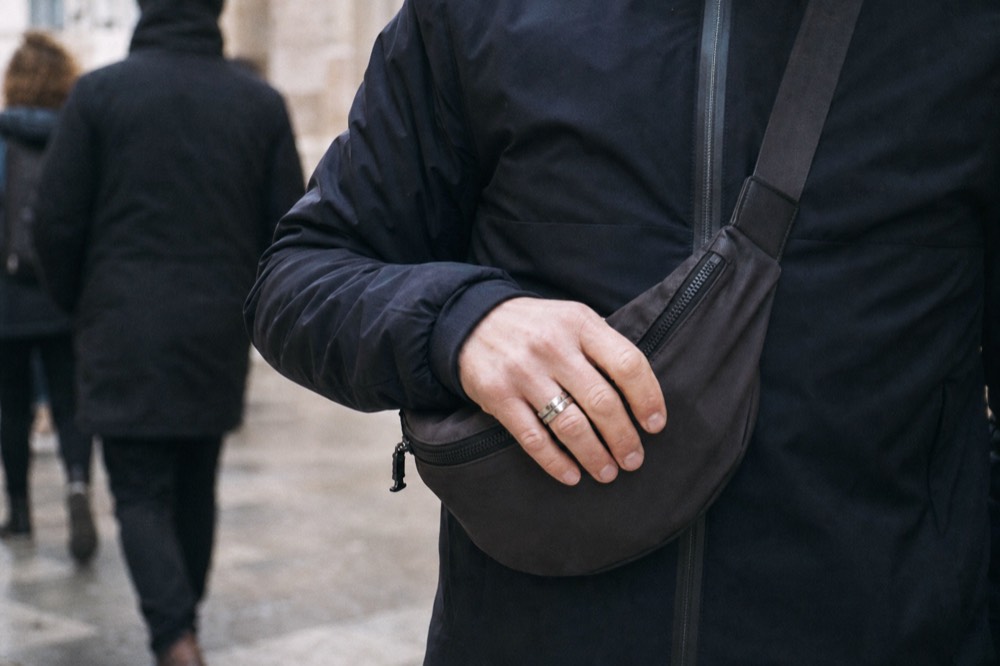
Almost all of it is opportunistic and property-based: pockets picked in crowds, phones lifted from tables, bags taken from chair backs or snatched by someone passing. It concentrates where tourists concentrate, which means transport hubs, the main historic axis at peak hours and any street tight enough to force people into contact.
Crowd density is the actual variable, and Naples has more of it every year. The city recorded around 15 million tourist stays in 2025, and in summer it absorbs an average of three cruise liners a day, which lands tens of thousands of people on the same handful of streets in the same few hours. A pickpocket needs a press of bodies and a distracted target. Both are easiest to find between ten and two on Via dei Tribunali and Spaccanapoli, and at the station.
None of that is unique to Naples, and it is worth saying plainly that reports of visitors being physically attacked are not what the record shows. The thing to protect is your stuff.
Is The Quartieri Spagnoli Safe?
Its reputation has improved a lot, and it is now one of the city's best areas for street food and everyday atmosphere. Daytime is straightforward. The sensible caveat is the smaller side alleys after dark, which are narrow, poorly lit and worth skipping in favour of the busier lanes.
The Quartieri is a grid of steep, tight streets above Via Toledo, full of murals, laundry, scooters and food counters. It draws visitors now for good reason, and daylight there feels like what it is: a dense residential neighbourhood going about its business. At night the main lanes stay busy and lit while the offshoots empty out fast, so the honest advice is to stay on the streets where other people are, which is also where the food is. The same logic runs through the Quartieri Spagnoli and the other food quarters, where the good addresses cluster on the busy lines rather than in the quiet corners.
A guided introduction can help with finding the lanes and ordering at unfamiliar counters. The verified Eating Europe route visits the Spanish Quarter; the Do Eat Better route is in the historic centre. Related reading: small-group street food walks.
Where Not To Go In Naples?
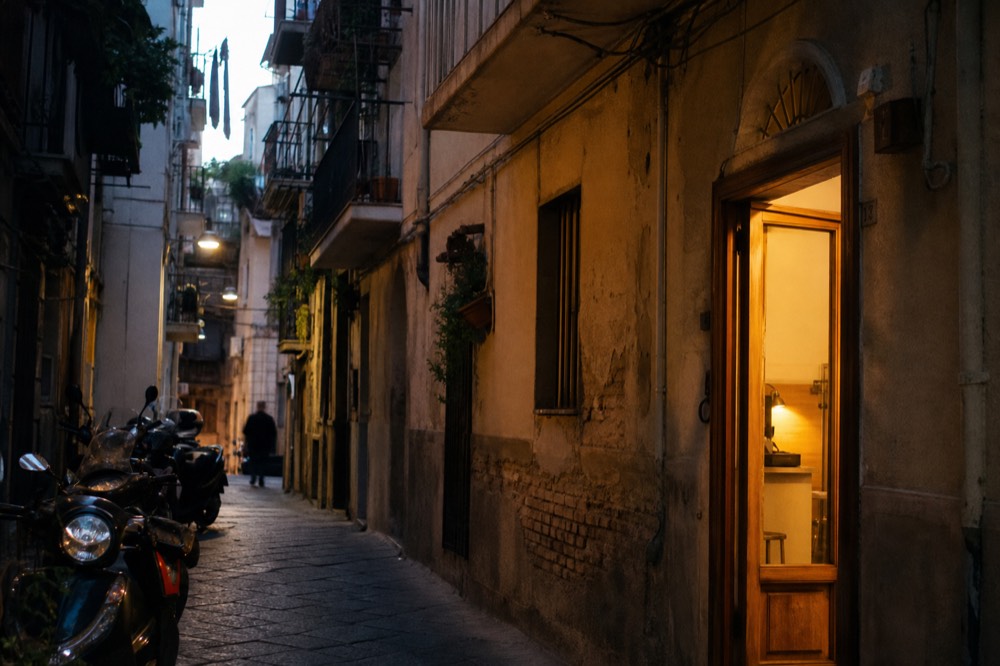
There is no part of the centre that is off limits by day. The areas flagged for extra care after dark are the streets around Napoli Centrale station and Forcella, plus the smaller alleys of the Quartieri Spagnoli. All three are fine in daylight and all three are places people live and work.
Read the table as timing advice, not as a map of danger zones.
| Area | By day | After dark | Practical approach |
|---|---|---|---|
| Historic centre, Via dei Tribunali and Spaccanapoli | Fine, but very crowded at peak hours | Busy and lit on the main lines | Bag zipped and in front through the crush |
| Quartieri Spagnoli | Fine, and one of the best food areas | Main lanes busy, small alleys quiet and dim | Stay on the streets with people on them |
| Around Napoli Centrale station | Generally fine, keep bags close | Flagged for extra care | Move through with purpose, avoid loitering with luggage |
| Forcella | Generally fine in daylight | Flagged for extra care | Visit for food earlier, not late |
Notice what is not on that list: everywhere else. The waterfront, the hill neighbourhoods, the museum quarter and the main shopping streets do not need special handling beyond ordinary attention, and neither do the Pignasecca and the city's other markets, which are busy and functional rather than sketchy. If the wider question underneath is whether the city justifies the hassle at all, whether Naples earns the trip makes that case in full, including the parts that argue against it.
What Actually Works Day To Day?
Four habits do most of the work: carry a crossbody bag zipped and worn to the front, keep your phone in your hand or a zipped pocket rather than a back pocket or a table, split cash and cards between two places, and walk the busy streets at night rather than the shortcuts. That is genuinely most of it.
A few specifics worth adding. Do not put a bag on the back of a chair at an outdoor table, since that is the single easiest target in any Italian city. When you stop to check a map, step out of the flow and stand with your back to a wall rather than standing in the middle of a pavement with a phone held out. Wear the daypack on your front on the metro and in market crowds, which looks silly and works. Keep one card in the hotel. And take a licensed white taxi or a booked ride from the station late at night rather than walking with luggage.
Scooters are worth a separate line, and not for crime reasons. They move fast, they use pavements, and crossing works by making eye contact and walking at a steady predictable pace rather than darting. Hesitating mid-road is more dangerous than committing.
Does Eating With A Local Guide Change Anything?
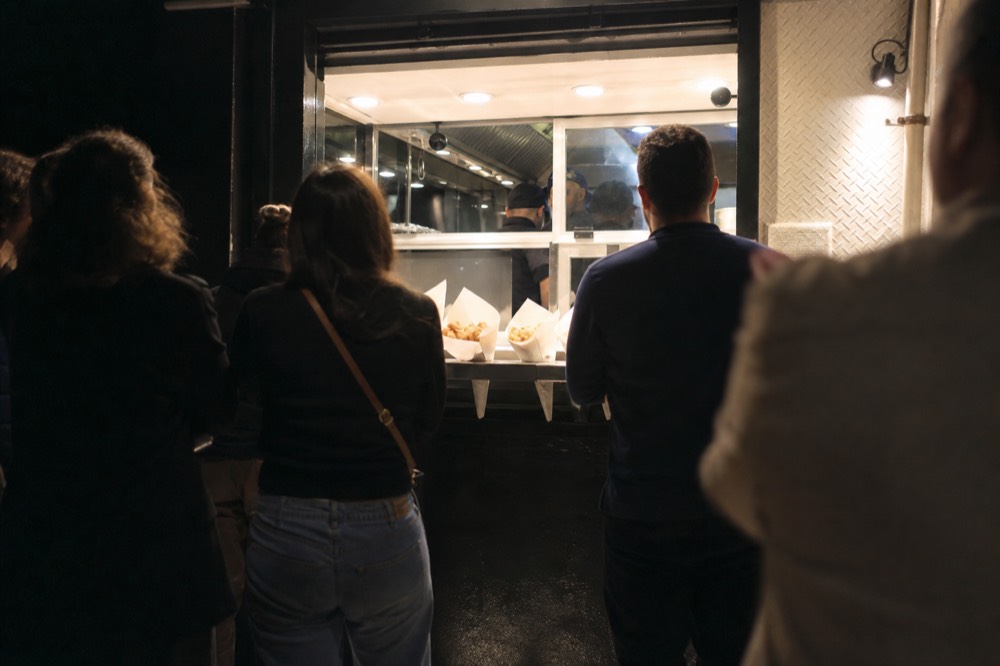
A guide can handle navigation and ordering, but a food tour does not establish a lower risk of theft or make an area safe. Keep normal precautions with your belongings. The verified historic-centre food walk takes two and a half hours.
A guided walk is not a security service. Its value is local navigation, food explanation and help ordering. Keep the same precautions with your belongings as on an independent walk.
After that, the city opens up quickly. Most people spend day two eating at the early pastry counters near the station and hunting food spots a couple of streets off the main drag, which is where Naples stops feeling like a risk assessment and starts feeling like a city.
Choose Your Naples Experience
Spanish Quarter Food Walk With Eating Europe. Start with coffee and sfogliatella, then discover the Spanish Quarter, pasta, frittatina and margherita. Have a date in mind? Check it before arranging the rest of your Naples day.
180 minutes. 3 hours with food and drinks listed in the chosen option. Stops vary; use the booking confirmation for the meeting point. Minimum two guests to run; under-4s can accompany without included food. Dietary requests require advance confirmation.
Choose a date to see scheduled departures. Final availability and price are confirmed on Viator.
No verified experience fits those requirements. Adjust your choices, or keep the independent plan described above.
Compare Options And Fit Your Plans
General recommendation until you choose. Confirm the exact option, meeting point, inclusions and dietary arrangements when booking. A food walk does not promise a visit to a particular celebrity pizzeria. Allow travel time on top of the activity duration.
- Historic Centre Street Food Walk: 150 minutes. Taste fried pizza, mozzarella and Neapolitan pastries while an English-speaking guide connects the old streets. Meet by the Greek ruins in Piazza Bellini; follow your confirmation if meeting details change. 2.5 hours walking and standing; seats are not guaranteed. Vegetarian requests need advance notice; no vegan, gluten-free or dairy-free diets. Extra drinks cost extra.
- Private Naples Tasting Walk: 180 minutes. Explore with your own host, choosing the listed six- or ten-tasting option for your group. 3 hours; choose the ten-tasting option if you want ten tastings. Private refers to your group and guide. Confirm the route and meeting point with your host; specific shop visits, hill transfers and queue priority are not promised. Dietary needs require prior agreement.